
Energy Efficient Upgrades With the Best ROI in 2026
Energy efficient upgrades with the best return on investment can cut bills fast. Call 8337004293 to connect with pre-vetted contractors today.

By Laura Bennett
Learn more about Exterior Painting for guides, costs, and what to expect.
Compare Exterior Painting Pros Near You

Enter your ZIP code to compare top-rated local professionals and request free quotes.
Every homeowner wants a lower utility bill, but not every upgrade pays you back. Some improvements deliver dramatic savings within a few years, while others take decades to break even or never do. If you are planning a remodel or repair this year, the smartest move is to prioritize the energy efficient upgrades with the best return on investment so your money works as hard as your new furnace or insulation.
This guide breaks down which projects consistently return the most value, how to calculate your own payback period, and how to find qualified contractors who can install these upgrades correctly the first time.
Why Some Upgrades Pay Off Faster Than Others
Return on investment for energy upgrades comes from two places: the money you save on utilities every month and the bump in resale value when you sell. Projects that score well on both fronts tend to be the ones that seal your home against air leaks, improve heating and cooling efficiency, or generate their own power.
The biggest mistake homeowners make is chasing the flashiest upgrade first. A solar array on a poorly insulated house is like putting a high-performance engine in a car with flat tires. You will still lose energy through the walls, attic, and windows. Starting with the building envelope (the outer shell of your home) almost always multiplies the returns of everything you do afterward.
Climate matters too. A homeowner in Phoenix will see different returns from attic insulation than someone in Minneapolis. Before committing to any project, ask a contractor to run a quick energy audit or blower door test. That data tells you exactly where your home is leaking money.
The Top Energy Efficient Upgrades With the Best Return on Investment
The following projects have consistently shown strong payback periods across most U.S. markets. Your exact numbers will vary based on local energy prices, home age, and current insulation levels, but these are the upgrades worth prioritizing.
1. Attic and Wall Insulation
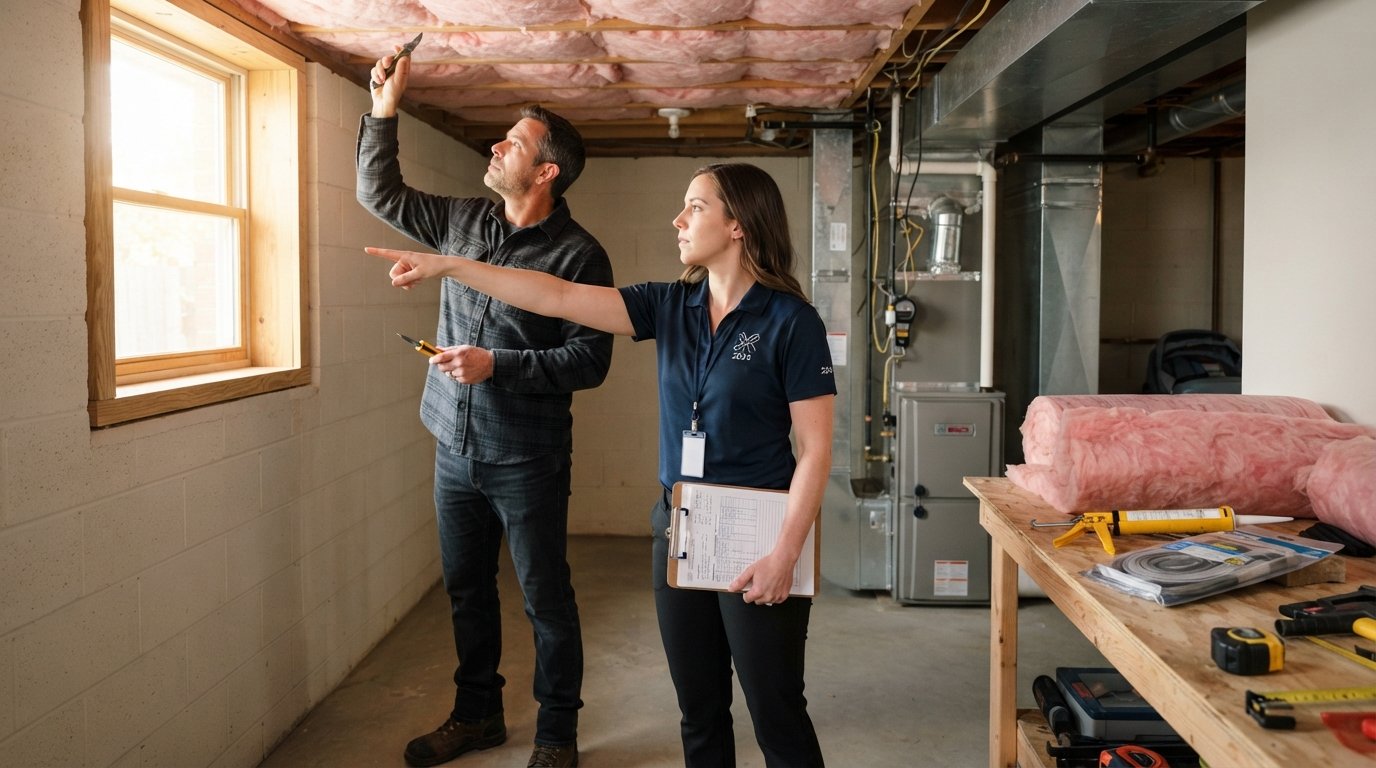
Insulation is the quiet champion of energy savings. The U.S. Department of Energy estimates that proper insulation and air sealing can cut heating and cooling costs by up to 20 percent. For a typical single-family home, that translates to several hundred dollars per year, and the installation cost is often recovered in three to five years.
Attic insulation is especially cost-effective because it is easy to access and install. Blown-in cellulose or fiberglass can be added on top of existing insulation without major disruption. Wall insulation is more invasive, but if you are already remodeling a room or replacing siding, it is the perfect time to add it.
Pair insulation with air sealing to get the full benefit. Gaps around plumbing penetrations, recessed lights, and attic hatches let warm air escape in winter and cool air in summer. A contractor can seal these with caulk and foam for a modest cost, and the savings show up on your very next bill.
2. Heat Pump HVAC Systems
If your furnace or air conditioner is more than 15 years old, replacing it with a high-efficiency heat pump is one of the highest-return upgrades available. Modern heat pumps can deliver two to four times the heating efficiency of a traditional electric resistance system, and they also cool your home in summer.
Federal tax credits under the Inflation Reduction Act can cover up to 30 percent of the project cost, capped at $2,000 for qualified heat pumps. Many states and utilities add rebates on top of that. When you factor in those incentives plus the monthly savings, the payback period often falls between five and eight years.
Regular maintenance keeps those savings flowing. Change filters monthly, schedule annual tune-ups, and keep the outdoor unit clear of debris. A well-maintained heat pump can run efficiently for 15 years or more.
3. Solar Panels
Solar photovoltaic systems have one of the highest long-term returns of any home upgrade. Once installed, they generate free electricity for 25 years or more. The average payback period in the U.S. is now around six to ten years, depending on your state's net metering policies and electricity rates.
The federal solar Investment Tax Credit (ITC) currently covers 30 percent of the installed cost. Some states offer additional incentives. If you live in a sunny state with high utility rates, your payback could be even faster.
Solar also boosts resale value. Studies from Zillow and other real estate platforms show that homes with solar panels sell for a premium compared to similar homes without them. Buyers appreciate the prospect of low or zero electric bills.
4. Window and Door Replacements
Old, single-pane windows leak heat in winter and let it in during summer. Replacing them with Energy Star certified double or triple pane models can reduce heating and cooling costs by 7 to 15 percent. The payback period is longer than insulation or HVAC, often 10 to 15 years, but the comfort and noise reduction benefits are immediate.
If full window replacement is not in your budget, start with the worst offenders: windows on the sunny side of the house or those in rooms you use most. Adding storm windows or insulating window films is a cheaper interim step that still delivers measurable savings.
Exterior doors matter too. A new insulated steel or fiberglass door can improve energy efficiency and curb appeal at the same time. Many homeowners recoup a significant portion of the cost at resale.
5. Smart Thermostats and HVAC Controls
A smart thermostat is one of the cheapest energy upgrades you can make, and it often pays for itself in a single year. These devices learn your schedule, adjust temperatures automatically when you are away, and give you remote control through a smartphone app.
Energy Star estimates that smart thermostats can save an average of $50 per year on heating and cooling bills. In homes with irregular schedules, the savings can be much higher. Many utility companies offer rebates that bring the net cost down to $50 or less.
Pair your thermostat with smart vents or zoning controls if you have rooms that are always too hot or too cold. These systems direct conditioned air only where it is needed, reducing waste.
6. Water Heater Upgrades
After heating and cooling, water heating is the second-largest energy expense in most homes. Replacing an old tank water heater with a high-efficiency heat pump water heater can cut water heating costs by up to 60 percent. The payback period is typically four to six years, and federal tax credits can shorten it further.
Tankless water heaters are another option. They heat water on demand, so you never pay to keep a full tank hot. They cost more upfront, but they last longer and save energy over time.
Simple fixes like insulating your water heater tank and pipes, or lowering the thermostat to 120 degrees, cost almost nothing and deliver small but immediate savings.
7. LED Lighting and Energy Star Appliances
LED bulbs use at least 75 percent less energy than incandescent bulbs and last 25 times longer. Swapping out your most-used fixtures takes an afternoon and pays back in months. Energy Star certified appliances, from refrigerators to washing machines, also cut electricity and water use without sacrificing performance.
When you are remodeling a kitchen or laundry room, choosing Energy Star appliances is a no-brainer. They often cost the same as standard models but save you money every month.
How to Calculate Your Own ROI
Before you commit to any upgrade, run the numbers yourself. The formula is simple: divide the net cost (after rebates and tax credits) by your estimated annual savings. The result is your payback period in years.
For example, if a heat pump costs $8,000 after incentives and saves you $1,200 per year, your payback is about 6.7 years. After that, every dollar saved is pure profit.
Do not forget to factor in maintenance, potential repair costs, and the lifespan of the equipment. A project with a 10-year payback and a 20-year lifespan is a solid investment. One with a 20-year payback and a 15-year lifespan is not.
If math is not your strong suit, ask contractors for their own savings estimates. Many will provide a written projection based on your home size, local climate, and current energy bills.
Finding Qualified Contractors for Your Upgrades
Even the best upgrade will underperform if it is installed poorly. Air sealing done wrong can trap moisture. A heat pump sized incorrectly will run constantly and wear out early. Solar panels mounted on a weak roof can cause leaks.
That is why hiring a pre-vetted, experienced contractor is critical. Look for professionals who specialize in the specific upgrade you want, carry proper licensing and insurance, and offer written warranties on both labor and materials.
If you are not sure where to start, Homes.Contractors is a comprehensive online directory and informational resource that connects homeowners with qualified, pre-vetted contractors across the United States. Their service directories cover roofing, HVAC, plumbing, flooring, and more, and they offer educational articles and an FAQ hub to help you make informed decisions.
When you request quotes, get at least three. Compare not just price but also the scope of work, warranty terms, and timeline. A slightly higher bid from a contractor who does thorough work is almost always the better investment.
Stacking Rebates and Tax Credits
One of the easiest ways to improve your ROI is to stack available incentives. The federal government, many states, and local utilities all offer rebates or tax credits for energy-efficient upgrades. These can cover anywhere from 10 to 50 percent of your project cost.
Start with the Database of State Incentives for Renewables and Efficiency (DSIRE) to see what is available in your area. Then check with your utility company, as many offer additional rebates for things like smart thermostats, heat pumps, and insulation.
Keep all receipts and documentation. You will need them when you file your taxes or submit rebate claims. A good contractor will help you gather the paperwork and may even handle the rebate application for you.
Prioritizing Upgrades for Maximum Impact
If you cannot afford to do everything at once, tackle projects in this order:
- Air sealing and insulation: Stop the leaks first. This makes every other upgrade more effective.
- Smart thermostat: Low cost, fast payback, immediate control over your energy use.
- HVAC upgrade: Replace aging equipment with a high-efficiency heat pump.
- Water heater: Switch to a heat pump or tankless model when your current one fails.
- Solar panels: Once your home is efficient, generate your own power to cover what remains.
This sequence maximizes your savings at every stage. You will see bill reductions immediately after the first step, and each subsequent upgrade will build on that foundation.
Remember that energy efficiency is not just about saving money. It also makes your home more comfortable, reduces your carbon footprint, and can improve indoor air quality. Those benefits are hard to put a price on, but they matter.
Start with a professional energy audit to identify your home's biggest opportunities. Then work with a trusted contractor to plan and install your upgrades. With the right strategy, you can lower your bills, increase your home's value, and enjoy a more comfortable living space for years to come.