
Luxury Vinyl Plank Versus Tile for High Traffic Areas
Compare luxury vinyl plank versus tile for high traffic areas. Call 8337004293 to find pre-vetted flooring pros and get free quotes today.

By Isaac Ellis
Learn more about Floor Installation or Replacement for guides, costs, and what to expect.
Compare Floor Installation or Replacement Pros Near You

Enter your ZIP code to compare top-rated local professionals and request free quotes.
Every hallway, kitchen, and living room tells a story of footsteps, pet claws, dropped keys, and the occasional spilled drink. When you are choosing flooring for these busy zones, the decision often comes down to two heavyweights: luxury vinyl plank (LVP) and tile. Both promise durability and good looks, but they perform very differently under constant use. Understanding those differences before you buy can save you thousands of dollars and years of regret.
This guide breaks down luxury vinyl plank versus tile for high traffic areas using real-world performance factors: scratch resistance, water tolerance, comfort, maintenance, installation, and long-term value. Whether you are remodeling a family room or replacing a rental property floor, the right choice depends on how you live and what you expect from the surface underfoot.
Why High Traffic Areas Demand Special Attention
High traffic areas are not just rooms that see a lot of feet. They are spaces where grit, moisture, and impact converge. A mudroom might face wet boots and road salt. A kitchen handles dropped pans and grease splatter. A living room endures furniture drags and pet accidents. Standard flooring that looks fine in a guest bedroom can fail quickly in these conditions.
Both LVP and tile are engineered to handle abuse, but they approach the job from different angles. LVP uses a layered synthetic construction with a wear layer that resists scratches and stains. Tile relies on fired clay or stone, which is extremely hard but can crack under impact or feel cold and unforgiving. The best choice for you hinges on which types of traffic and messes your home actually sees.
Before you shop, walk through your busiest rooms and note the specific stressors: water, heavy footfall, pets, kids, or rolling chairs. That list will guide your decision more than any showroom display.
Durability and Scratch Resistance in Busy Homes
When comparing luxury vinyl plank versus tile for high traffic areas, durability is usually the first concern. LVP is built with a clear wear layer that ranges from 6 mil to 20 mil or more. This layer protects the printed design from scratches, scuffs, and stains. Higher mil ratings are better for commercial spaces and active households. Under normal residential use, a quality LVP can stay looking new for 10 to 20 years.
Tile, on the other hand, is incredibly hard. Porcelain and ceramic tiles resist scratches from pet nails and furniture almost completely. However, tile is brittle. A dropped cast iron pan or a heavy toolbox can chip or crack a tile, and repairing a single tile can be difficult if you do not have matching spares. Grout lines also collect dirt and can stain over time, requiring periodic deep cleaning and sealing.
For homes with large dogs, rolling office chairs, or heavy foot traffic, LVP often wins on resilience because it absorbs impact rather than shattering. Tile wins on surface hardness, but that hardness comes with a risk of breakage and a need for grout maintenance. If you want a floor that can take a beating without showing it, LVP is usually the safer bet.
Water and Moisture Performance
Water is the enemy of many floors, but both LVP and tile handle it differently. Tile is naturally waterproof. Porcelain and ceramic do not swell, warp, or grow mold. The weak point is the grout and the subfloor beneath. If water seeps through grout into a wood subfloor, damage can occur even if the tile itself is fine. Sealing grout regularly helps, but it is not a permanent solution.
LVP is also waterproof in most cases, especially rigid core and SPC (stone plastic composite) options. The planks lock together tightly, preventing water from reaching the subfloor in normal spills. However, if water sits on the floor for a long time, it can seep into seams or around the perimeter. LVP is not recommended for fully submerged areas like shower floors, but it is excellent for kitchens, bathrooms, basements, and laundry rooms where occasional moisture is expected.
In high traffic areas that see frequent wetness, such as entryways in rainy climates, tile has a slight edge because it can be mopped aggressively without worry. LVP can also be mopped, but you should avoid soaking it. Both are good choices, but tile is more forgiving if water is a constant presence.
Comfort, Sound, and Underfoot Feel
Comfort matters more than many homeowners expect, especially in kitchens where you stand for long periods. Tile is hard and cold. Standing on it for hours can cause fatigue and joint pain. In cold climates, tile can feel icy unless you install radiant heating, which adds significant cost and complexity. Dropped dishes on tile often shatter, and the sound of footsteps echoes through the room.
LVP is warmer and softer underfoot. It has a slight give that reduces fatigue and muffles sound. Many LVP products come with attached underlayment, which further improves comfort and reduces noise transfer to lower levels. In open-concept homes, this sound dampening can be a major advantage.
If your high traffic area doubles as a playroom or a home gym, LVP is more forgiving for kids and adults alike. Tile is better in mudrooms or entryways where you want a surface that can be hosed down, but for living spaces, LVP usually provides a more pleasant experience.
Maintenance and Cleaning Realities
Both LVP and tile are considered low-maintenance, but the details differ. Here is a quick comparison of routine care:
- LVP: Sweep or vacuum regularly, damp mop with a pH-neutral cleaner. Avoid steam mops and harsh chemicals that can dull the wear layer. No sealing required.
- Tile: Sweep or vacuum, then mop with a mild cleaner. Grout lines need periodic scrubbing and resealing every 1 to 2 years to prevent stains and mildew.
- Stain resistance: LVP resists stains on the surface; tile resists stains on the tile itself but grout can absorb spills.
- Repair: LVP planks can be replaced individually if damaged; tile repair requires removing and replacing the broken tile and matching grout.
In high traffic areas, the grout maintenance associated with tile can become a chore. LVP offers a seamless look with no grout lines, making cleanup faster and easier. However, if you choose tile, opt for large-format tiles with thin grout lines to minimize cleaning effort.
Installation and Subfloor Requirements
Installation can significantly affect your total project cost and timeline. LVP is generally easier and faster to install. Many planks use a click-lock system that floats over most existing hard surfaces, provided the subfloor is level and clean. This means you might install LVP directly over old tile, concrete, or plywood, saving time and money on demolition.
Tile requires a sturdy, rigid subfloor. Ceramic and porcelain tile need a cement backer board or a similar substrate, and the subfloor must not flex. Any movement can cause cracks. Installation involves thin-set mortar, grout, and often a sealer, which adds labor and drying time. For a large high traffic area, tile installation can take days or weeks, while LVP might be completed in a weekend.
If you are hiring a professional, labor costs for tile are typically higher due to the skill required and the time involved. LVP installation is more forgiving, which can reduce labor costs. For homeowners on a budget, LVP often provides a faster, more affordable path to a durable floor.
Lifespan and Long-Term Value
When evaluating luxury vinyl plank versus tile for high traffic areas, consider how long each floor will last and what it will look like along the way. Tile can last 50 years or more if properly installed and maintained. It is extremely difficult to wear out the surface, though grout may need refreshing and tiles can crack. In a forever home, tile can be a permanent choice.
LVP has a shorter lifespan, typically 10 to 20 years for quality products. The wear layer can dull or scratch over time, and planks can separate or warp if exposed to extreme temperature changes. However, LVP is easier and cheaper to replace. If you plan to sell your home in a few years or you want the flexibility to change styles, LVP is a practical choice.
From a resale perspective, both floors are attractive to buyers. Tile is often expected in bathrooms and kitchens, while LVP is popular in living areas and basements. The best value comes from matching the material to the room and your long-term plans.
Cost Comparison: Initial Price and Ongoing Expenses
Cost is a major factor for most homeowners. LVP generally costs less per square foot than tile, both in materials and installation. A mid-range LVP might cost $2 to $5 per square foot, while tile can range from $3 to $10 or more, not including the additional labor and materials for backer board and grout. However, high-end LVP can approach the cost of mid-range tile.
Ongoing costs also differ. Tile requires grout sealer and occasional professional cleaning, while LVP needs only routine care. If a tile cracks, repair can be costly and color matching can be difficult. LVP repairs are simpler and less expensive. Over a 20-year period, LVP may need to be replaced once, while tile might last the entire time with minimal maintenance. Your budget and timeline will determine which option offers the best overall value.
Which Floor Wins for Your High Traffic Space?
There is no single winner in the luxury vinyl plank versus tile for high traffic areas debate. The right choice depends on your priorities. Here is a simple framework to decide:
- Choose LVP if: You want warmth and comfort underfoot, easy DIY installation, a seamless look with no grout, and a lower upfront cost. It is ideal for living rooms, basements, and open-concept spaces.
- Choose tile if: You want maximum water resistance, a permanent floor that can last decades, and you do not mind grout maintenance. It is excellent for mudrooms, bathrooms, and kitchens where spills are frequent.
- Consider your climate: In cold regions, LVP feels warmer. In hot, humid areas, tile stays cool and resists moisture.
- Think about pets and kids: LVP is softer for falls and easier on joints. Tile is scratch-proof but hard and cold.
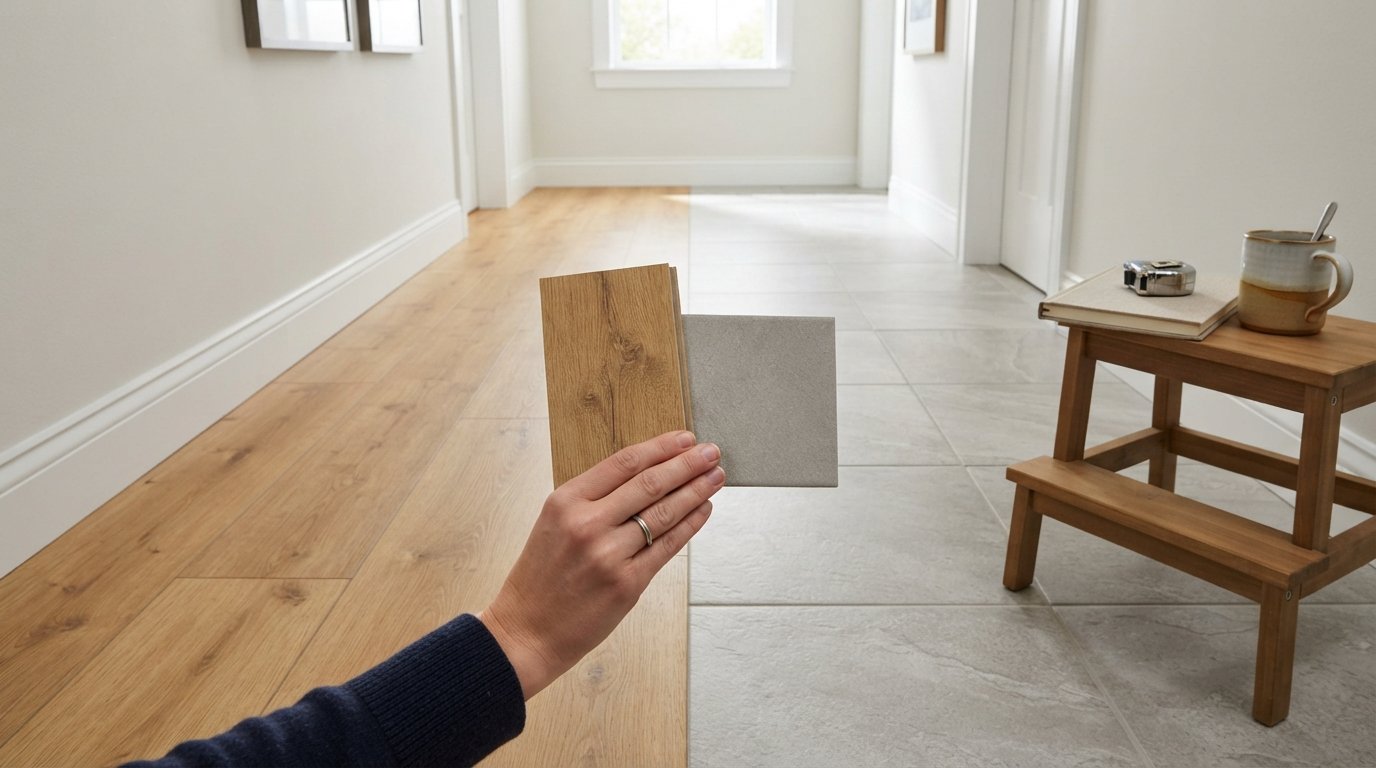
Many homeowners mix both materials: tile in the entryway and LVP in the adjacent living room. This hybrid approach gives you the best of both worlds. When you are ready to hire a pro, Homes.Contractors can connect you with pre-vetted flooring specialists in your area. They offer free estimates and multiple quotes, making it easier to compare options and find the right fit for your project.
Final Thoughts on Choosing Between LVP and Tile
High traffic areas demand a floor that can handle daily life without constant fuss. Luxury vinyl plank offers comfort, easy installation, and a budget-friendly price, making it a top choice for busy living spaces. Tile delivers unmatched water resistance and longevity, but it requires more installation effort and grout upkeep. Weigh your lifestyle, climate, and long-term plans to make the best decision. With the right material and a qualified installer, your floors can stay beautiful and durable for years to come.