
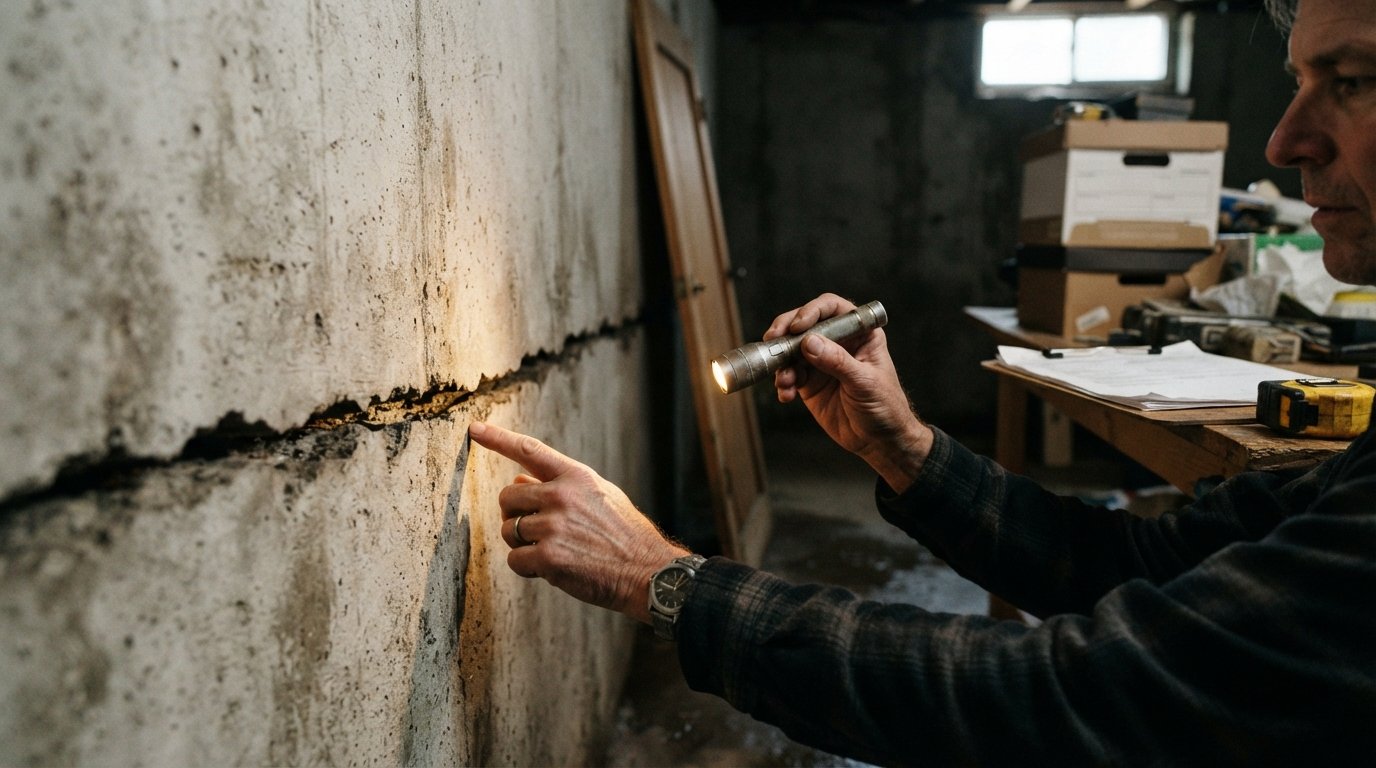
Signs Your Home Needs Foundation Repair and What to Do Next
Spot the signs your home needs foundation repair and what to do next. Call (833)-700-4293 for expert guidance and avoid costly structural damage.

By Patrick Owens
Learn more about Foundation Repair for guides, costs, and what to expect.
Compare Foundation Repair Pros Near You

Enter your ZIP code to compare top-rated local professionals and request free quotes.
Cracks in drywall, a door that suddenly sticks, or a floor that feels slightly uneven: these are the clues homeowners often notice first. While some are cosmetic, others point to a foundation problem that will only worsen with time. Knowing which signs your home needs foundation repair and what to do next can save you from costly structural damage and help you make confident, informed decisions.
Early Warning Signs That Warrant Attention
Foundation issues rarely appear overnight. They develop slowly, often over months or years, as soil shifts, moisture levels change, or construction defects make themselves known. The key is to recognize the early warning signs before they escalate into major structural problems. Not every crack is a crisis, but certain patterns and behaviors should prompt a professional evaluation.
Interior cracks are among the most common indicators. Hairline cracks in drywall or plaster, especially those that appear suddenly or grow over time, deserve scrutiny. Horizontal cracks in the foundation wall itself, or stair-step cracks in brick or block, are particularly concerning because they often signal lateral pressure or settlement. Similarly, cracks that are wider than a quarter inch, or that let in daylight, are red flags that should not be ignored.
Doors and windows that no longer close properly are another classic sign. When a foundation shifts, the frame of the house can rack slightly, causing doors to stick or windows to jam. This is especially telling if the problem is new and affects multiple openings. Sloping or uneven floors, particularly on the main level or in the basement, can also indicate that the foundation is settling unevenly. A marble placed on the floor will roll toward the low spot, giving you a quick visual test.
Other exterior signs include gaps between the foundation and the siding, visible tilting of chimneys, and separation around windows or doors. In the basement or crawl space, you might see efflorescence (a white, powdery substance), which indicates moisture movement through concrete, or actual water intrusion. Any of these symptoms, especially when combined, should be taken seriously.
Distinguishing Cosmetic Issues from Structural Problems
Not all cracks are created equal. Understanding the difference between cosmetic blemishes and structural warning signs is essential to avoid unnecessary panic and expense. Cosmetic cracks are typically small, vertical, and stable. They often result from normal settling, minor shrinkage of concrete as it cures, or seasonal temperature fluctuations. These cracks are generally less than 1/16 inch wide and do not change over time.
Structural cracks, on the other hand, are often wider, may be horizontal or diagonal, and tend to worsen. They frequently appear in conjunction with other symptoms such as sticking doors, uneven floors, or visible movement. If a crack is wider than a quarter inch, or if you can see through it, it is time to call a professional. The same goes for any crack that has grown noticeably over a short period.
It is also important to consider the location of the crack. Vertical cracks in the middle of a foundation wall are often less serious than horizontal cracks near the top, which can indicate that the wall is being pushed inward by soil pressure. Diagonal cracks that start at the corners of windows or doors are also common in foundation settlement. When in doubt, err on the side of caution and have a qualified inspector evaluate the situation.
How Foundation Inspectors Diagnose the Cause
A professional foundation inspection goes beyond a visual walkthrough. Inspectors use a combination of tools and techniques to determine the underlying cause of the problem, whether it is soil movement, poor drainage, or a structural defect. This diagnosis is critical because the right repair method depends entirely on the cause.
During an inspection, the specialist will examine both the interior and exterior of the home. They will measure cracks, check for levelness using a zip level or laser, and look for signs of water damage or poor drainage. They may also dig test pits to examine the soil composition and moisture content. In some cases, they will use a penetrometer to test soil density or a moisture meter to detect hidden moisture.
Drainage is a frequent culprit. Poor grading, clogged gutters, or downspouts that discharge too close to the foundation can lead to water pooling around the base, softening the soil and causing settlement. Inspectors will assess the slope of the ground, the condition of gutters and downspouts, and any visible signs of erosion. They will also look for tree roots that might be invading the foundation or causing soil shrinkage.
Soil conditions play a major role. Expansive clay soils, common in many parts of the United States, swell when wet and shrink when dry, exerting pressure on foundation walls and causing movement. Sandy or loamy soils may be more stable but can erode. The inspector will consider the region's typical soil types and how they interact with the home's foundation design.
After gathering data, the inspector will typically provide a report that outlines the findings, the likely cause, and recommended repair options. This report should be detailed and include photos and measurements. Do not hesitate to ask questions and seek clarification on any points you do not understand.
Repair Options and Cost Ranges
Once the cause is identified, the next step is choosing the appropriate repair method. The options range from relatively inexpensive crack injection to more involved piering and wall stabilization. Costs vary widely depending on the severity of the problem, the region, and the contractor, but understanding the typical ranges can help you budget and evaluate proposals.
Crack injection is a common, less invasive repair for non-structural cracks. It involves injecting an epoxy or polyurethane resin into the crack to seal it and restore some structural integrity. This method is effective for cracks that are not actively moving and for preventing water intrusion. The cost is typically a few hundred to a couple of thousand dollars, depending on the number and size of cracks.
For more serious settlement issues, underpinning with piers is often recommended. This involves driving steel or concrete piers deep into the ground to stabilize the foundation and potentially lift it back to a level position. There are several types of piers, including helical piers, push piers, and concrete piers. The cost can range from $5,000 to $15,000 or more, depending on the number of piers and the complexity of the job.
Wall stabilization may be needed if the foundation walls are bowing or cracking due to soil pressure. Techniques include carbon fiber straps, steel braces, and wall anchors. These methods reinforce the wall and prevent further movement. Costs can vary from $3,000 to $10,000 or more.
Drainage correction is often part of the solution. This might involve regrading the yard, extending downspouts, installing French drains, or repairing gutters. These improvements help manage water and can prevent future foundation problems. Costs for drainage work can range from a few hundred to several thousand dollars, depending on the scope.
It is important to get multiple estimates and compare not only prices but also the proposed solutions and the contractor's credentials. Be wary of any contractor who recommends a costly repair without a thorough inspection or who uses high-pressure sales tactics.
How to Vet a Foundation Contractor
Choosing the right contractor is as important as choosing the right repair. Foundation work is specialized, and not all general contractors are qualified to handle it. Start by looking for contractors who specialize in foundation repair and have a proven track record in your area.
Verify licensing and insurance. Most states require contractors to be licensed, and foundation specialists should carry both general liability and workers' compensation insurance. Ask for proof and check with your state's licensing board. Also, check for any complaints or disciplinary actions.
Ask for references and read reviews. A reputable contractor will be happy to provide references from past clients. Contact those references and ask about their experience, the quality of the work, and whether they would hire the contractor again. Online reviews can also provide valuable insights, but be sure to read a mix of positive and negative reviews to get a balanced view.
Get multiple written estimates. A detailed proposal should outline the scope of work, the materials to be used, the timeline, and the total cost. Be cautious of estimates that are significantly lower than others, as they may indicate cut corners or hidden costs. Also, be wary of contractors who demand a large upfront payment; a reasonable deposit is typically 10 to 30 percent.
Avoid scare-tactic sales. Some foundation repair companies use high-pressure tactics, such as claiming the house is in imminent danger or offering a "today only" discount. A trustworthy contractor will take the time to explain the problem, answer your questions, and provide a range of options without pressure. If you feel rushed or intimidated, walk away.
For homeowners in the United States seeking qualified, pre-vetted contractors, resources like Homes.Contractors offer directories and educational content to help you make informed decisions. Additionally, PlanRemodel.com connects homeowners with local foundation specialists and provides free estimates, making it easier to compare multiple quotes and find the right professional for the job.
What to Do Next: A Step-by-Step Action Plan
If you suspect foundation problems, do not panic. Follow a systematic approach to assess the situation, gather information, and take action. Here is a step-by-step plan to guide you.
- Document the signs. Take photos of cracks, sticking doors, and uneven floors. Note when you first noticed them and whether they are worsening. This documentation will be useful for your inspector and contractor.
- Check for simple causes. Sometimes, sticking doors are due to humidity, and cracks may be cosmetic. Rule out easy fixes like adjusting hinges or using a dehumidifier before calling a professional.
- Schedule a professional inspection. Contact a qualified foundation inspector or structural engineer. Choose a company that performs thorough evaluations and provides written reports. Avoid contractors who offer free inspections but then use high-pressure sales tactics.
- Get multiple estimates. Once you have a diagnosis, obtain at least three written estimates from reputable contractors. Compare the proposed solutions, materials, timelines, and costs. Do not automatically choose the lowest bid; consider the contractor's reputation and the quality of the proposed work.
- Address drainage and maintenance. Often, foundation problems are exacerbated by poor drainage. Fix gutters, extend downspouts, and regrade the soil to slope away from the foundation. These steps can prevent further damage and are relatively inexpensive.
- Plan and budget. Foundation repairs can be costly, so plan your budget accordingly. Ask about financing options and warranties. Some repairs may be covered by homeowners insurance if they result from a sudden event like a plumbing leak, but most foundation issues due to soil movement are not covered. Check with your insurer to understand your coverage.
Remember that timely action can prevent small issues from becoming major structural failures. Even if the problem seems minor, it is worth having it evaluated by a professional. The peace of mind alone is valuable, and catching a problem early can save you thousands of dollars in the long run.
Preventing Future Foundation Problems
Once repairs are complete, or if your foundation is currently in good shape, take steps to prevent future issues. Proper maintenance is key to preserving your home's foundation.
Manage water around the foundation. Ensure that the ground slopes away from the house at a rate of about 6 inches per 10 feet. Keep gutters clean and extend downspouts at least 5 to 10 feet away from the foundation. Consider installing a French drain or a sump pump if your area experiences heavy rainfall or poor drainage.
Maintain consistent soil moisture. In areas with expansive clay soils, keeping moisture levels consistent can reduce movement. This may involve watering the foundation during dry spells or installing a soaker hose. However, be careful not to overwater, as that can also cause problems.
Plant trees and shrubs at a safe distance. Tree roots can extract moisture from the soil under the foundation, causing it to shrink and settle. As a general rule, plant large trees at least 15 to 20 feet away from the foundation, and smaller shrubs at least 3 to 5 feet away.
Inspect regularly. Make it a habit to check for new cracks, sticking doors, or uneven floors. Early detection is your best defense against costly repairs. Also, keep an eye on your home's exterior for signs of movement, such as gaps around windows or doors.
If you have an HVAC system, regular maintenance can also help. A well-functioning HVAC system controls humidity levels, which can affect foundation moisture. For more on maintaining your HVAC, see our guide on signs your HVAC system needs replacement, not repair.
By staying proactive and addressing small issues before they become big ones, you can protect your home's foundation and maintain its value.
Foundation problems can be daunting, but with the right knowledge and a careful approach, you can navigate the process successfully. Identify the signs early, get a professional evaluation, choose a reputable contractor, and take preventive measures to keep your home on solid ground.