
Window Replacement Guide: Types, Costs, and Energy Savings
Get our window replacement guide types costs and energy savings to compare materials and ratings. Call (833)-700-4293 for expert help.

By Benjamin Adler
Learn more about Window Installation for guides, costs, and what to expect.
Compare Window Installation Pros Near You

Enter your ZIP code to compare top-rated local professionals and request free quotes.
Your windows are more than just a view. They are a critical part of your home's envelope, affecting everything from your energy bills to your comfort level. If you are noticing drafts, condensation, or rising utility costs, it may be time to consider window replacement. This window replacement guide types costs and energy savings will walk you through the key decisions, from choosing the right frame material to understanding energy ratings and budgeting for your project. By the end, you will have a clear roadmap to make an informed choice that enhances your home's efficiency and value.
Why Window Replacement Matters: Energy, Comfort, and Value
Old windows are notorious energy leakers. Single-pane glass and poorly sealed frames allow conditioned air to escape and outdoor temperatures to infiltrate, forcing your HVAC system to work harder. According to the U.S. Department of Energy, heat gain and loss through windows can account for 25 to 30 percent of residential heating and cooling energy use. Replacing outdated windows with energy-efficient models can significantly reduce this waste, leading to lower monthly bills and a more comfortable indoor environment.
Beyond energy savings, new windows improve curb appeal, reduce outside noise, and can even increase your home's resale value. Modern windows also offer better security features and UV protection, which helps prevent fading of furniture and flooring. For homeowners planning a renovation, window replacement is often a high-ROI project that pays back through energy savings and aesthetic upgrades.
Window Frame Types: Vinyl, Fiberglass, Wood, and Aluminum Compared
The frame material you choose impacts durability, maintenance, energy performance, and cost. Each option has distinct advantages and considerations. Here is a comparison of the four most common window frame types:
- Vinyl: Affordable, low-maintenance, and good insulating properties. Vinyl windows are resistant to rot and moisture, making them a popular choice for budget-conscious homeowners. However, they can expand and contract with temperature changes, potentially affecting seals over time.
- Fiberglass: Strong, durable, and excellent thermal performance. Fiberglass frames are more expensive than vinyl but offer superior resistance to warping and cracking. They can be painted and are ideal for extreme climates.
- Wood: Classic aesthetic, natural insulation, and high-end appeal. Wood frames require regular maintenance (painting or sealing) to prevent rot and are susceptible to moisture damage. They are often the most expensive option but offer timeless beauty.
- Aluminum: Lightweight, strong, and modern. Aluminum frames are durable and require little maintenance, but they conduct heat easily, which can reduce energy efficiency unless they include thermal breaks. They are commonly used in commercial buildings but less popular for residential energy-efficient upgrades.
When selecting a frame, consider your climate, maintenance willingness, and budget. Vinyl and fiberglass are generally the best performers for energy efficiency, while wood offers aesthetic charm at a premium. For homeowners in harsh weather regions, fiberglass or vinyl with insulated frames are often the smartest investments.
Understanding Energy Ratings: U-Factor and SHGC
Energy-efficient windows are rated by the National Fenestration Rating Council (NFRC) using metrics like U-factor and Solar Heat Gain Coefficient (SHGC). These ratings help you compare products and predict energy savings.
U-factor measures how well a window insulates, or how much heat escapes. Lower U-values indicate better insulation. For cold climates, look for a U-factor of 0.30 or lower. SHGC measures how much solar heat enters through the window. A lower SHGC means less heat gain, which is beneficial in hot climates to reduce cooling costs. In cold climates, a higher SHGC can help passively heat your home.
To translate these ratings into savings, consider your climate zone. The DOE recommends different U-factor and SHGC targets based on regional climate. For example, in northern states, prioritize low U-factors for insulation, while in southern states, focus on low SHGC to block heat. Many utilities offer rebates for windows meeting ENERGY STAR criteria, which can offset upfront costs. A window replacement guide types costs and energy savings should always include these ratings as a key decision factor.
Typical Cost Ranges by Window Type and Installation Complexity
Window replacement costs vary widely based on material, size, style, and installation complexity. On average, homeowners spend between $300 and $1,200 per window for the unit itself, with installation adding $200 to $800 per window. Here is a breakdown of typical cost ranges for common window types:
- Double-hung windows: $400 to $1,000 per window. Popular for their classic look and ventilation.
- Casement windows: $500 to $1,200 per window. Crank-operated for tight seals and energy efficiency.
- Picture windows: $300 to $800 per window. Fixed windows for views, often the most affordable.
- Bay or bow windows: $1,500 to $4,000 per window. Extend outward, adding space and light, but require more complex installation.
Installation complexity also affects cost. Factors like removing old windows, repairing frames, and custom sizing can increase labor. For example, replacing a window in a brick wall may require additional flashing and sealing. Always get multiple quotes to compare. PlanRemodel can connect you with pre-vetted local contractors who provide free estimates, helping you budget accurately.
Maximizing Energy Savings: Beyond the Window Itself
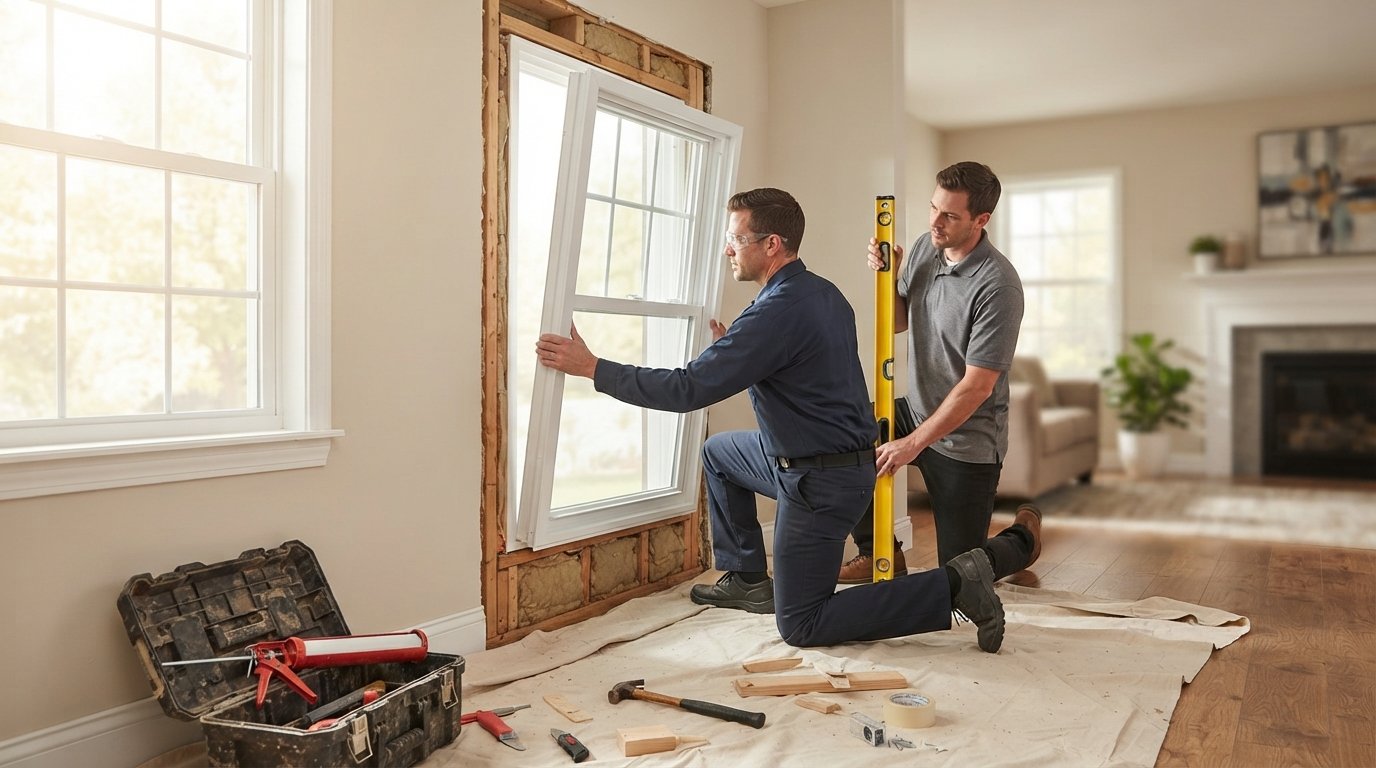
While energy-efficient windows are crucial, additional strategies can boost savings. Proper installation is paramount: gaps or poor sealing can negate the benefits of even the best windows. Ensure contractors use insulation and caulking around frames. Consider window treatments like cellular shades or storm windows for extra insulation. Also, address air leaks in other areas of your home, such as doors and attic, to maximize overall efficiency.
Upgrading to double or triple glazing with low-E coatings and argon gas fills can further improve performance. These features reduce heat transfer and block UV rays. The upfront cost is higher, but the long-term energy savings and comfort make it worthwhile. For a comprehensive window replacement guide types costs and energy savings, factor in these upgrades as part of your decision.
What to Ask a Window Contractor Before Signing
Choosing the right contractor is critical to a successful project. Before signing a contract, ask these questions:
- Are you licensed and insured? Verify credentials and ask for proof.
- What is the warranty on products and labor? Understand coverage and duration.
- Can you provide references from recent local projects? Check reviews and ratings.
- Do you handle permits and inspections? Ensure compliance with local codes.
- What is the expected timeline and payment schedule? Avoid large upfront deposits.
Hiring a qualified professional ensures proper installation and maximizes energy savings. For homeowners seeking reliable contractors, Homes.Contractors offers a directory of pre-vetted professionals across the U.S., along with educational resources to guide your selection. PlanRemodel also connects you with multiple quotes from local experts, simplifying the process.
Making Your Window Replacement Decision
Window replacement is a significant investment, but with the right information, you can choose windows that enhance comfort, reduce energy costs, and add value to your home. Start by assessing your current windows' performance, then explore frame types and energy ratings that suit your climate. Get multiple quotes from reputable contractors and ask detailed questions to ensure quality workmanship. By following this window replacement guide types costs and energy savings, you will be well-equipped to make a confident decision that pays off for years to come.