
How to Inspect a Roof After a Hail Storm: A Homeowner's Guide
Document hail damage safely and get fair repair quotes. Call (833)-700-4293 to connect with pre-vetted roofing pros and maximize your insurance recovery.

By Elena Carter
Learn more about Roof Repair or Maintenance for guides, costs, and what to expect.
Compare Roof Repair or Maintenance Pros Near You

Enter your ZIP code to compare top-rated local professionals and request free quotes.
A hailstorm just passed, and now you are standing in your driveway wondering if your roof survived. The urge to climb up and check for yourself is strong, but the smartest first step is actually to stay on the ground. Hail damage is often subtle, and a careless inspection can turn a minor issue into a major expense or put you at risk of a fall. Knowing how to inspect a roof after a hail storm means combining careful observation with the right documentation, so you can make informed decisions about repairs and insurance claims.
Start with a Safe Ground-Level Assessment
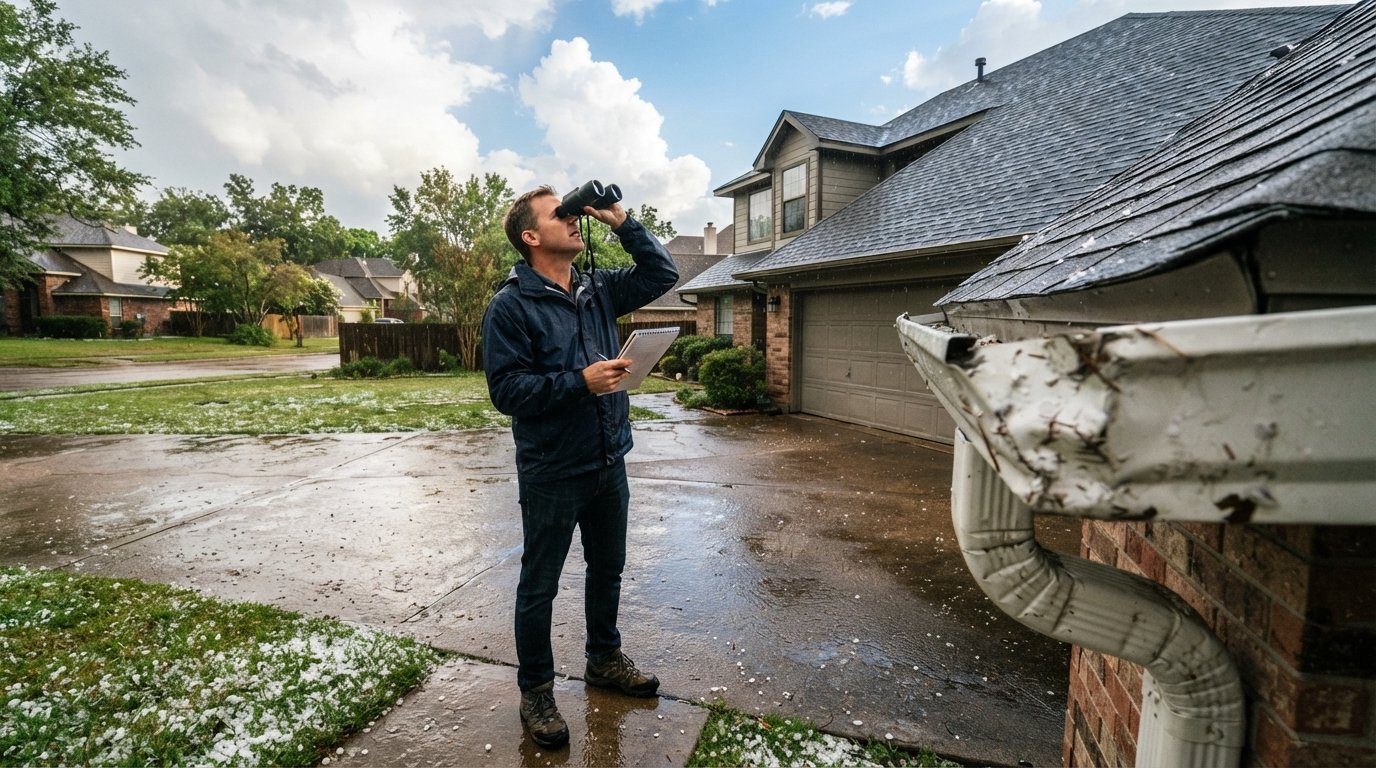
Before you even think about a ladder, take a slow walk around your property. Your goal is to spot obvious signs of damage and gather clues about the storm's intensity. Look at the ground first: are there piles of hailstones? What size were they? Hail larger than one inch in diameter is more likely to cause roof damage, but even smaller stones driven by high winds can be destructive. Check your car, outdoor furniture, and plants for dents or shredding, as these can indicate the storm's force.
Next, turn your eyes to the roof itself. From the ground, you can use binoculars to scan for missing shingles, large dents in metal roofs, or granules accumulating in gutters and downspouts. Pay attention to the soft metals: gutters, downspouts, vents, and flashing. These are like the canary in the coal mine for hail damage. Dents in these areas often correlate with shingle damage above. Also, look for cracked or broken window screens and dented siding, which further confirm the hail's impact.
While you are inspecting from the ground, resist the temptation to climb onto the roof. Unless you have proper safety equipment and experience, walking on a damaged roof is dangerous. Shingles may be loose, and the surface could be slippery. Moreover, you could inadvertently cause more damage, which might complicate your insurance claim. Instead, use a camera with a zoom lens or a drone (if you are comfortable operating one) to get a closer look at suspicious areas.
What Hail Damage Actually Looks Like on Your Roof
Hail damage is not always dramatic. It can be as subtle as a few bruised shingles or as obvious as large holes. Understanding what to look for will help you communicate with your insurance adjuster and contractor. On asphalt shingles, hail impacts often create dark spots where the granules have been knocked away, exposing the asphalt layer beneath. These spots may be soft to the touch, like a bruise on an apple. You might also see cracks in the shingle surface or granules collecting in gutters and at the base of downspouts.
Metal roofs are easier to assess because dents are visible. However, not every dent requires replacement; it depends on the severity and the roof's age. On wood shakes, hail can cause splits or splintering, and on tile roofs, it can crack or break the tiles. Vents, flashing, and skylights are also vulnerable. Check for dented vent covers, bent flashing, and cracked seals around skylights. These small failures can lead to water intrusion, so they should be repaired promptly.
It is important to distinguish between hail damage and normal wear and tear. Granule loss from aging is uniform, while hail damage is typically localized to areas exposed to the storm's direction. Similarly, blisters or cracks from manufacturer defects may look like hail hits but are not. If you are unsure, take clear photos and consult a professional. A certified roof inspector can differentiate between storm damage and normal aging, which is crucial for insurance claims.
Documenting the Damage for Your Insurance Claim
If you suspect hail damage, your next step is to document everything thoroughly. Insurance companies require evidence, and the more organized you are, the smoother the claims process will go. Start by taking wide-angle photos of each side of your roof from the ground, then use a zoom lens to capture close-ups of any damaged areas. Include photos of dented gutters, vents, and any other metal components. Date-stamp your photos if your camera allows, or keep a log of when they were taken.
Create a written inventory of the damage. Note the location and size of each dent or crack, and describe the condition of the shingles. If you have a drone, take aerial photos and videos, which can provide a comprehensive view. Also, keep any physical evidence, such as hailstones (store them in a freezer bag) or damaged shingle pieces. This documentation will be invaluable when you file your claim.
Before you call your insurer, review your policy to understand what is covered. Most homeowners insurance policies cover hail damage to the roof, but there may be a separate deductible for wind and hail. Knowing your deductible will help you decide whether filing a claim makes financial sense. If the damage is minor and close to your deductible, you might choose to pay out of pocket to avoid a premium increase. However, if the damage is extensive, filing a claim is likely worthwhile.
Red Flags: Avoiding Storm-Chasing Contractors
After a major hail storm, out-of-town contractors often descend on affected neighborhoods, eager to secure work. While some are legitimate, others are storm chasers who may do shoddy work, demand upfront payment, or disappear before the job is done. Protect yourself by being wary of unsolicited offers, especially from people who show up at your door claiming to have spotted damage from the street. Legitimate contractors typically do not go door-to-door; they rely on referrals and established reputations.
Watch for these red flags: high-pressure sales tactics, demands for large upfront payments, offers to waive your insurance deductible (which is illegal in many states), and lack of a local address or proper licensing. Always ask for proof of insurance (both liability and workers compensation) and a written contract that details the scope of work, materials, timeline, and payment schedule. Never pay in full before the work is complete, and do not sign a contract that allows the contractor to act as your insurance adjuster.
Instead of hiring the first person who knocks on your door, take the time to research local roofing companies. Look for established businesses with positive reviews and a track record in your community. Ask for references and check with your state's licensing board. A reputable contractor will be happy to provide this information and will not pressure you into a quick decision. For more guidance on vetting professionals, see our seasonal roof maintenance checklist for homeowners.
When to Request Multiple Roofing Quotes
Once you have documented the damage and decided to proceed with repairs, your next step is to get multiple quotes from reputable roofing contractors. This is especially important after a hail storm because demand for repairs is high, and prices can vary significantly. Getting at least three quotes will give you a sense of the fair market rate and help you avoid overpaying. It also allows you to compare the scope of work proposed by each contractor; some may recommend a full replacement while others suggest targeted repairs.
When requesting quotes, provide each contractor with your documentation and ask for a detailed written estimate. The estimate should include a breakdown of materials, labor, and any additional costs such as permits or disposal fees. Ask about warranties on both materials and workmanship, and clarify who will handle the insurance claim process. Some contractors offer to meet with your adjuster, which can be helpful, but you should never sign over your insurance rights to them.
After receiving quotes, do not automatically choose the lowest bid. A significantly lower price could indicate inferior materials or a lack of proper licensing and insurance. Instead, evaluate the contractor's reputation, experience, and communication style. A good contractor will be transparent, responsive, and willing to answer your questions. They will also provide a written contract that protects both parties.
If you are unsure where to start, consider using a directory of pre-vetted contractors. Homes.Contractors is a comprehensive online resource that connects homeowners with qualified professionals in their area. Their platform allows you to request multiple quotes and read educational articles, making it easier to find a reliable roofer.
Repair vs. Replacement: Making the Right Call
One of the most critical decisions after hail damage is whether to repair or replace your roof. This decision depends on several factors: the age of your roof, the extent of the damage, and your insurance coverage. If your roof is relatively new and the damage is isolated to a few shingles, a repair may suffice. However, if the roof is older or the damage is widespread, a full replacement might be necessary. Insurance companies often factor in the roof's age; if it is near the end of its expected lifespan, they may only pay the actual cash value (depreciated value) rather than the replacement cost.
Consider the long-term implications. A patchwork repair might solve the immediate problem but could lead to more issues down the line if the underlying structure is compromised. On the other hand, a full replacement is a significant investment, but it can increase your home's value and energy efficiency. Discuss the options with your contractor and insurance adjuster to make an informed decision. Remember that your goal is to restore your roof to its pre-storm condition while maximizing your insurance recovery.
After the repair or replacement, keep all receipts and documentation for your records. If you ever sell your home, this information can be valuable to potential buyers. Also, consider scheduling regular roof inspections to catch future problems early. A professional inspection every few years can extend the life of your roof and help you avoid costly emergency repairs.
Final Steps for Peace of Mind
Inspecting your roof after a hail storm does not have to be overwhelming. By starting with a safe ground-level assessment, documenting any damage thoroughly, and being cautious about who you hire, you can navigate the process with confidence. Remember that your safety comes first: never climb onto a damaged roof without proper training and equipment. When in doubt, call a professional. A certified roofer can provide a detailed inspection and help you determine the best course of action.
If you need help finding a qualified contractor, consider reaching out to a trusted referral service. PlanRemodel.com connects homeowners with pre-vetted local professionals for roofing and other home improvement projects. You can request multiple quotes and get the information you need to make smart decisions. With the right approach, you can protect your home and your wallet after a hail storm.
Learn more about Roof Repair or Maintenance for guides, costs, and what to expect.
Compare Roof Repair or Maintenance Pros Near You
Enter your ZIP code to compare top-rated local professionals and request free quotes.