
Seasonal Roof Maintenance Checklist for Homeowners
Use this seasonal roof maintenance checklist for homeowners to prevent costly repairs. Call (833)-700-4293 for expert help.

By Wendy Turner
Learn more about Handyman for guides, costs, and what to expect.
Compare Handyman Pros Near You

Enter your ZIP code to compare top-rated local professionals and request free quotes.
A roof is one of the most expensive components of any home, yet it is often the most neglected until a leak appears. According to industry data, roofs that receive regular seasonal care can last up to 30 percent longer than those that are ignored, and proactive maintenance can help you avoid emergency repairs that cost thousands of dollars. For homeowners, the key is not a single annual inspection but a recurring, season-by-season routine that addresses the unique stresses each time of year brings. This guide provides a comprehensive seasonal roof maintenance checklist for homeowners, covering what to inspect each season, which tasks are safe to handle yourself, and when it is time to call a professional. By following this routine, you can protect your investment, document your roof's condition for insurance and resale, and catch small problems before they become major expenses.
Why Seasonal Roof Maintenance Matters
Your roof faces different threats throughout the year. Winter brings snow, ice dams, and freeze-thaw cycles that can crack sealant and loosen flashing. Spring rains test the roof's waterproofing, while summer heat and UV radiation degrade shingles and cause thermal expansion. Fall's falling leaves and debris can clog gutters and trap moisture. A seasonal approach ensures you address these changing risks at the right time, rather than reacting after damage has already occurred.
Regular maintenance also pays off financially. Insurance companies increasingly require documented maintenance for claims related to storm damage or wear and tear. If you ever sell your home, a well-maintained roof with a clear inspection record can be a strong selling point and may prevent price negotiations. For homeowners who are planning a remodel or upgrade, a solid roof is foundational. Our guide on spring home maintenance can help you coordinate broader seasonal tasks alongside roof care.
Perhaps most importantly, a seasonal checklist helps you spot potential issues early. Small problems like a loose shingle or a bead of cracked sealant are inexpensive to fix but can lead to rot, mold, and structural damage if ignored. By dedicating a few hours each season to a focused inspection, you stay ahead of the curve.
Spring Roof Maintenance Checklist
Spring is a season of transition. As snow melts and temperatures rise, your roof emerges from winter's assault. This is the ideal time to assess winter damage and prepare for the rainy months ahead. Your spring checklist should include both outdoor and indoor inspections, focusing on water intrusion and structural integrity.
Exterior Inspection
Start by walking around your home's perimeter, using binoculars to examine the roof surface from the ground. Look for missing, cracked, or curling shingles, as well as any signs of granules accumulating in gutters or on the ground (a sign of shingle wear). Check the flashing around chimneys, vents, and skylights for loose or rusted areas. Clear any debris from the roof surface, especially valleys where water collects. If you have a low-slope roof and feel comfortable, you can use a soft brush to remove leaves and twigs, but avoid walking on the roof if it is steep or wet.
Gutter and Downspout Check
Spring is the perfect time to clean gutters and downspouts, removing leaves, seeds, and any winter debris. Ensure downspouts direct water at least four to six feet away from the foundation. Clogged gutters can cause water to back up under shingles and rot fascia boards. While cleaning, check for loose hangers and tighten them. This simple task can prevent thousands of dollars in water damage.
Attic and Interior Inspection
Go into your attic on a sunny day and look for daylight shining through the roof boards, which indicates gaps or holes. Check for water stains, damp insulation, or mold growth on the underside of the roof deck. Proper attic ventilation is critical to prevent moisture buildup and ice dams next winter. Ensure soffit vents are clear and that insulation is not blocking airflow. If you notice any signs of pests, such as droppings or gnawed wood, address them promptly.
Sealant and Flashing Check
Inspect all sealant around flashings, vents, and chimneys. Cracked or peeling sealant should be removed and replaced with a high-quality roofing sealant. This is a DIY-friendly task if you are comfortable on a ladder and have the right materials, but always prioritize safety. If you are unsure, hire a professional to handle sealant repairs.
Summer Roof Maintenance Checklist
Summer's heat and intense sunlight can be tough on roofing materials. UV rays break down asphalt shingles over time, and thermal expansion can cause nails to pop and seams to separate. Summer is also prime time for thunderstorms and hail, so your checklist should focus on heat-related wear and storm preparedness.
Post-Storm Inspection
After any major summer storm, inspect your roof for damage. Look for dented or cracked shingles, damaged flashing, or granules washed away. Hail can bruise shingles, which may not be immediately visible but can shorten their lifespan. If you suspect hail damage, document it with photos and contact your insurance company. Avoid climbing on the roof immediately after a storm, as surfaces may be slippery or unstable.
Heat-Related Issues
Check for signs of heat damage, such as blistering or bubbling shingles. Ensure attic ventilation is working efficiently; a hot attic can cook shingles from below and increase cooling costs. Consider adding a ridge vent or solar attic fan if ventilation is inadequate. Also, trim any tree branches that overhang the roof to prevent them from scraping shingles and to reduce debris accumulation.
Professional Inspection
Summer is a good time to schedule a professional roof inspection, especially if your roof is more than 10 years old or if you have experienced severe weather. A roofing contractor can identify subtle issues like micro-cracks, loose fasteners, or early signs of rot. Many contractors offer free or low-cost inspections, and this is also an opportunity to get a quote for any needed repairs. If you are planning a larger home improvement project, such as a bathroom remodel, you can use a service like Homes.Contractors to find pre-vetted professionals who can handle multiple aspects of your project, including roofing and interior work.
Fall Roof Maintenance Checklist
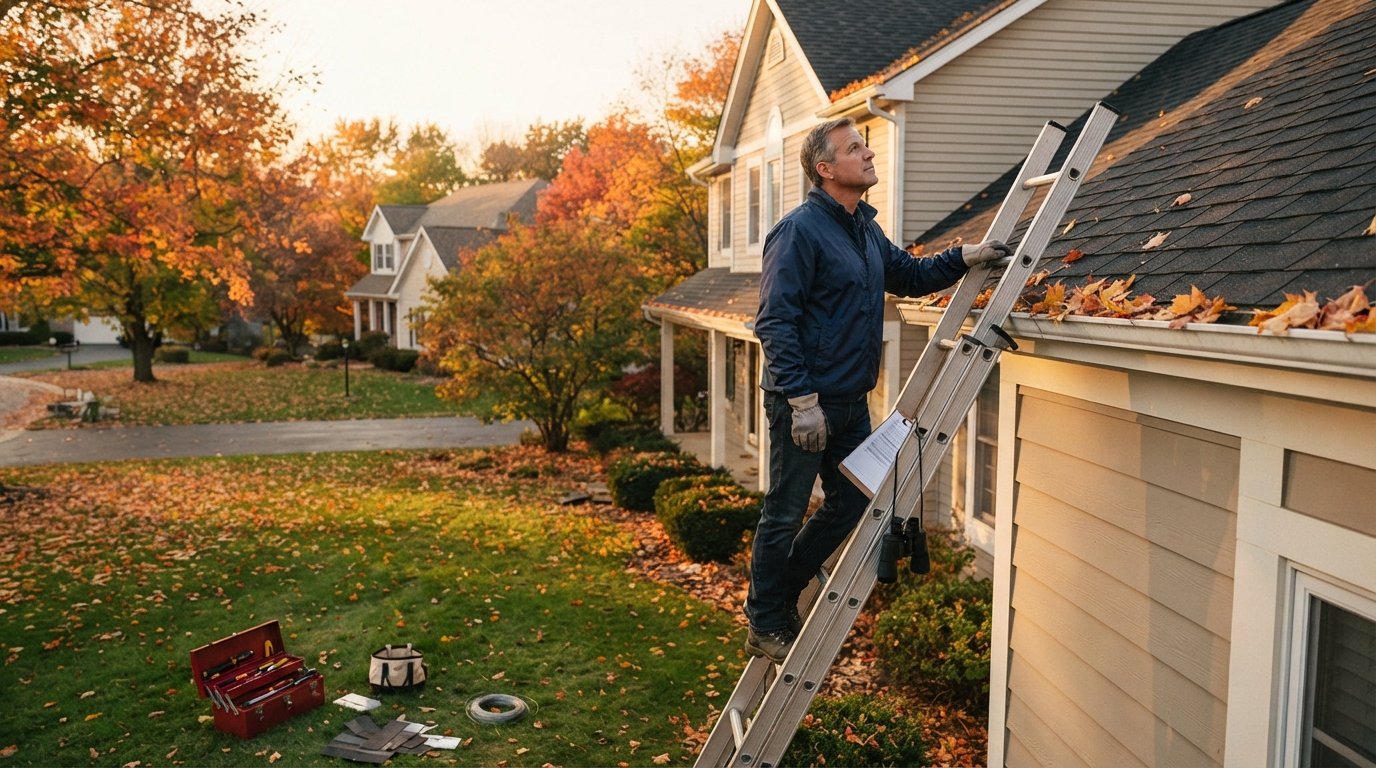
Fall is arguably the most critical season for roof maintenance. As you prepare for winter, you need to clear debris, ensure proper drainage, and address any vulnerabilities that could be exacerbated by snow and ice. A thorough fall checklist can prevent ice dams, leaks, and costly winter emergencies.
Gutter Cleaning and Maintenance
Falling leaves are the biggest enemy of gutters. Clean them thoroughly and consider installing gutter guards to reduce future clogs. Check that downspouts are clear and that water flows freely away from the house. If you have a basement, ensuring proper drainage is also a key part of basement remodeling planning, as water intrusion can derail your renovation plans.
Roof Debris Removal
Remove all leaves, branches, and other debris from the roof surface, especially in valleys and behind chimneys. Debris holds moisture and can create dams that force water under shingles. Use a leaf blower or a soft broom, but avoid using a pressure washer, which can damage shingles.
Flashing and Sealant Inspection
Re-inspect flashing and sealant, as fall is your last chance before winter. Pay close attention to areas around chimneys, skylights, and vents. Replace any cracked or peeling sealant. Check that step flashing and counterflashing are secure and not rusted. If you find significant issues, hire a professional to make repairs before the first freeze.
Attic Ventilation and Insulation
Proper attic insulation and ventilation are your best defense against ice dams. Ensure that insulation is evenly distributed and not blocking soffit vents. Consider adding more insulation if your attic is under-insulated. Also, seal any air leaks between the living space and attic to prevent warm air from escaping and melting snow on the roof, which leads to ice dams.
Schedule a Professional Roof Check
Fall is the ideal time for a professional roof inspection. A contractor can identify and fix small issues before winter sets in. They can also clear snow from your roof safely if needed later in the season. If your roof is nearing the end of its lifespan, fall is a good time to plan for replacement in the spring.
Winter Roof Maintenance Checklist
Winter is the most challenging season for your roof. Snow, ice, and freezing temperatures can cause significant damage if you are not prepared. Your winter checklist focuses on monitoring, safety, and preventing ice dams.
Ice Dam Prevention
Ice dams form when warm attic air melts snow on the roof, which then refreezes at the eaves, creating a dam that forces water under shingles. To prevent ice dams, keep your attic cool by sealing air leaks, adding insulation, and ensuring proper ventilation. If you already have ice dams, do not attempt to chip them away with an axe or sharp tool, as this can damage the roof. Instead, use a roof rake to remove snow from the lower edge of the roof, or hire a professional to steam the ice dams away.
Snow Removal
After a heavy snowfall, use a roof rake to remove snow from the roof, especially from the edges and valleys. Avoid climbing on the roof in winter, as it is extremely dangerous. If you cannot safely remove snow, call a professional. Keep in mind that snow removal is not just about weight; it also prevents ice dams and reduces the risk of leaks.
Interior Monitoring
Watch for signs of leaks or water damage inside your home, such as water stains on ceilings or walls, or icicles hanging from the eaves. Icicles can indicate poor insulation and ice dam formation. If you notice any issues, contact a roofing professional immediately.
Emergency Preparedness
Have a plan in place for winter storms. Keep a list of emergency contacts, including a roofing contractor. If your roof is damaged in a storm, document the damage with photos and contact your insurance company. Avoid making temporary repairs yourself unless it is safe to do so.
When to Call a Professional vs. DIY
While many seasonal maintenance tasks are safe for homeowners to handle, some situations require the expertise and safety equipment of a professional. Knowing the difference can save you time, money, and injury.
DIY-safe tasks:
- Cleaning gutters from a stable ladder (with someone spotting you).
- Visual inspections from the ground with binoculars.
- Removing debris from the roof with a roof rake or leaf blower from the ground.
- Checking attic for leaks, ventilation, and insulation issues.
- Applying sealant to small, easily accessible areas (if comfortable on a ladder).
Tasks that require a professional:
- Walking on the roof, especially if it is steep, high, or wet.
- Repairing or replacing shingles, flashing, or underlayment.
- Removing ice dams (professionals use steamers).
- Inspecting and repairing structural damage.
- Any work that involves heights or requires safety harnesses.
If you are unsure about a task, err on the side of caution and hire a professional. A reputable roofing contractor can also provide a detailed inspection report that is valuable for insurance claims and resale. PlanRemodel can connect you with pre-vetted roofing professionals in your area, making it easy to get multiple quotes and choose the right expert for the job.
Documenting Roof Condition for Insurance and Resale
Keeping a record of your roof's condition is just as important as the maintenance itself. Insurance companies may deny claims if they can show that damage resulted from neglected maintenance. Similarly, when selling your home, a documented maintenance history can reassure buyers and potentially increase your home's value.
Create a roof maintenance log that includes dates of inspections, tasks performed, receipts for professional services, and photographs of the roof before and after each season. Note any repairs or replacements, no matter how small. If you have a professional inspection, keep the report. This documentation can be invaluable if you need to file an insurance claim for storm damage or if a buyer's inspector raises questions.
Take photos from multiple angles each season, including close-ups of flashing, valleys, and any areas of concern. Date-stamp the photos. This visual record can help you track changes over time and provide evidence of proper care. If you are planning to sell, consider a professional roof certification, which is a written statement from a roofing contractor about the roof's condition and remaining lifespan.
Creating Your Seasonal Roof Maintenance Calendar
To make seasonal maintenance a habit, set reminders on your calendar for the first week of each season. Block out a few hours for inspection and minor tasks. If you prefer, hire a professional for a biannual inspection (spring and fall) and handle the simple tasks yourself in between. Remember that consistency is key: a little effort each season can prevent major headaches down the road.
For homeowners who are planning renovations or repairs, integrating roof maintenance with other home improvement projects can be efficient. For example, if you are remodeling your kitchen, you might also schedule a roof inspection to ensure your home is protected from top to bottom. PlanRemodel offers a directory of pre-vetted contractors for roofing, HVAC, plumbing, and more, making it a one-stop resource for all your home maintenance needs. By staying proactive, you can extend the life of your roof, avoid costly emergencies, and maintain the value of your home for years to come.