
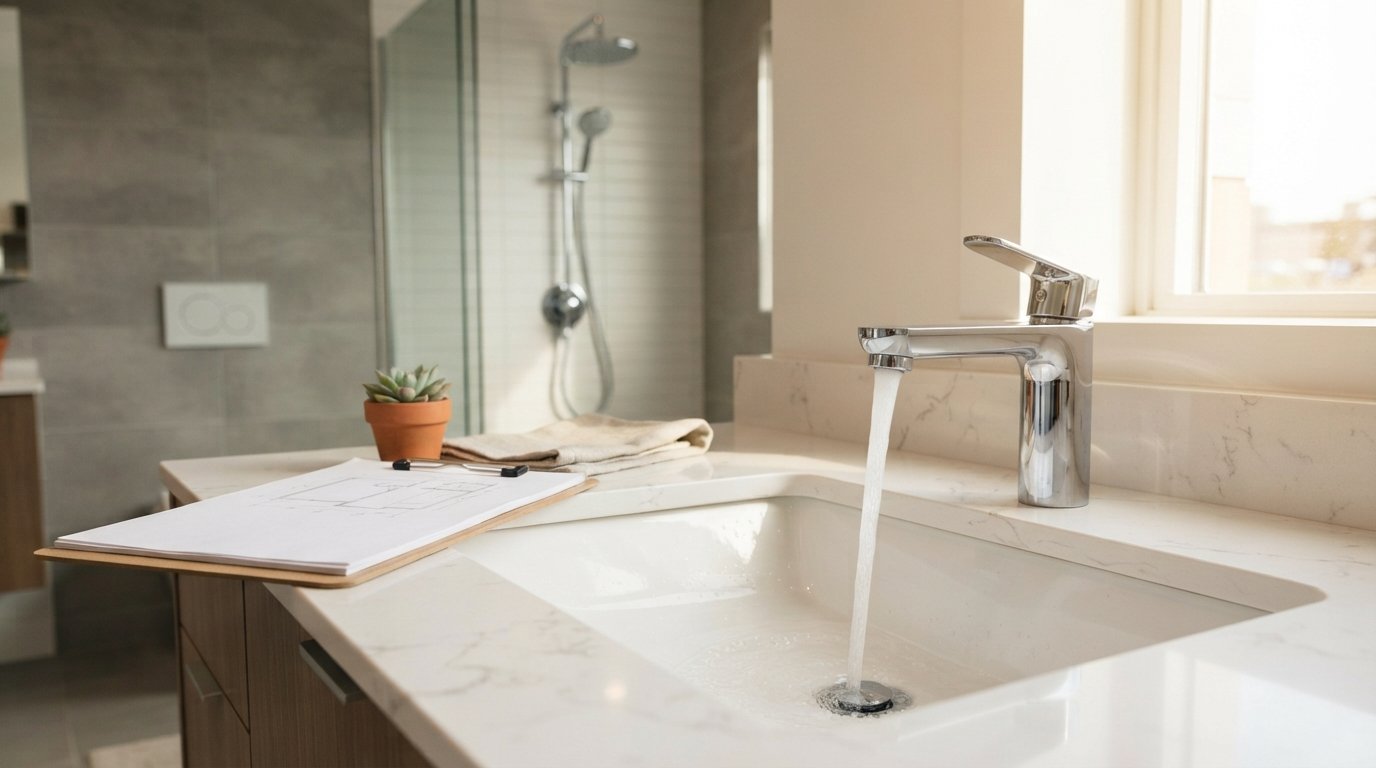
Water Saving Fixtures for Bathroom and Kitchen Remodels
Upgrade your remodel with water saving fixtures for bathroom and kitchen remodels. Call (833)-700-4293 to compare local contractor quotes and cut utility bills.

Learn more about Emergency Plumbing for guides, costs, and what to expect.
Compare Emergency Plumbing Pros Near You

Enter your ZIP code to compare top-rated local professionals and request free quotes.
Every time you turn on a faucet, flush a toilet, or step into the shower, you are making a small wager on your home's future utility bills. For homeowners planning a bathroom or kitchen remodel, that wager becomes a long-term contract. The fixtures you choose today will lock in water consumption patterns for a decade or more, quietly shaping monthly expenses and your home's environmental footprint. Water saving fixtures for bathroom and kitchen remodels are no longer a niche upgrade; they are a core specification that smart renovators use to balance performance, code compliance, and long-term savings. This guide walks through the technology, the labeling, the real-world performance, and the practical steps to select and install fixtures that cut waste without cutting comfort.
Why Water Saving Fixtures Matter in a Remodel
Water heating accounts for roughly 18 percent of a typical U.S. home's energy use, and much of that heated water goes down the drain. When you replace a showerhead, faucet, or toilet during a remodel, you are not just swapping hardware; you are resetting the baseline for every future load of dishes, every morning shower, and every flush. The savings compound quietly, month after month, and they often outlast the cosmetic finishes that tend to get more attention during planning.
There is also a regulatory dimension. Many states and municipalities have adopted plumbing efficiency standards that require WaterSense-labeled fixtures in new construction and major renovations. Installing compliant fixtures during a remodel avoids inspection delays and ensures your project aligns with local codes. Beyond compliance, efficient fixtures can reduce strain on older plumbing systems by lowering overall demand, which may help extend the life of pipes and water heaters. For homeowners weighing where to allocate a renovation budget, fixtures offer one of the most predictable returns because their performance is measurable and their savings are quantifiable.
Low-Flow Showerheads: Performance Beyond the Old Myths
The earliest low-flow showerheads earned a bad reputation for weak sprays and inconsistent temperature. Modern designs have largely erased that gap. Today's efficient showerheads use aeration or laminar flow technology to maintain a satisfying rinse at flow rates of 2.0 gallons per minute (gpm) or lower, with many WaterSense models rated at 1.75 gpm or 1.5 gpm. The key is how the fixture manages pressure; a well-engineered showerhead can feel forceful even while using significantly less water than a standard 2.5 gpm model.
When comparing options, look beyond the headline flow rate. Some models include adjustable spray settings, and the quality of the spray pattern often matters more than the raw gpm number. A showerhead with a focused, high-velocity pattern at 1.75 gpm can feel more invigorating than a poorly designed 2.5 gpm unit. Also consider the shower arm and any inline filters; older galvanized pipes may deliver lower pressure, so a pressure-compensating showerhead can help maintain a consistent experience. If your home has a tankless water heater, confirm that the fixture's minimum flow rate meets the heater's activation threshold, since some ultra-low-flow models may not trigger the heater reliably.
Faucets for Kitchen and Bath: Aerators, Sensors, and Flow Rates
Kitchen and bathroom faucets are the most frequently used fixtures in the home, and their flow rates add up quickly. Standard bathroom faucets are limited to 1.5 gpm, while kitchen faucets are capped at 1.8 gpm under WaterSense criteria. Many older faucets run at 2.2 gpm or higher, so replacing them during a remodel can deliver immediate savings. The simplest and most cost-effective upgrade is a faucet aerator, which screws onto the spout and mixes air into the stream to maintain pressure while reducing volume. Aerators cost a few dollars and can be swapped in minutes, making them a smart interim step even if you are not ready to replace the entire faucet.
For a more polished remodel, consider faucets with motion sensors or touchless activation. These features reduce water waste from leaving the tap running while washing hands or prepping food. Some kitchen faucets also offer a pause or boost mode, letting you temporarily increase flow for filling pots and then return to a lower default rate. When shopping, check the flow rate listed on the specification sheet and look for the WaterSense label. Be aware that some decorative faucets with high-arc spouts may have a lower perceived flow because of the drop distance; that is a design trade-off, not a performance failure, and it often encourages more mindful water use.
Compatibility is a practical concern in older kitchens. If your sink has a three-hole configuration and you choose a single-hole faucet, you may need a deck plate or escutcheon to cover the extra holes. Also check the supply line connections; older homes may have compression fittings that require adapters for modern braided lines. A licensed plumber can handle these details during installation, and getting multiple quotes through a platform like our guide on setting a realistic kitchen remodel budget can help you plan for these small but important line items.
Dual-Flush and High-Efficiency Toilets
Toilets are the largest indoor water consumer in most homes, accounting for nearly 30 percent of indoor water use. Replacing an old 3.5-gallon-per-flush toilet with a WaterSense-labeled model (1.28 gallons per flush or less) can cut toilet water use by more than half. Dual-flush toilets take this further by offering two flush volumes: a lower volume for liquid waste and a higher volume for solid waste. A typical dual-flush model might use 1.1 gallons for a light flush and 1.6 gallons for a full flush, giving users control over consumption without sacrificing function.
The technology behind high-efficiency toilets has matured considerably. Early low-flow models sometimes required double flushing, which negated their savings. Modern designs use larger trapways, improved rim wash patterns, and pressure-assisted or gravity-fed systems that clear waste effectively with less water. When selecting a toilet, look for the WaterSense label and check the MaP (Maximum Performance) score, which rates flush performance on a scale up to 1,000 grams. A score of 350 or higher is generally considered acceptable, and many efficient models score above 600. Also consider the rough-in dimension (the distance from the wall to the drain) and the bowl shape; these determine fit and comfort. For older bathrooms with cast iron drains, a professional installation is advisable to ensure the flange and wax ring seal properly.
Understanding WaterSense and Verifying Real-World Flow Rates
The WaterSense label, backed by the U.S. Environmental Protection Agency, is the most reliable shorthand for efficiency. Products bearing the label have been independently certified to meet water-saving and performance standards. For showerheads, the label means a flow rate of 2.0 gpm or less; for bathroom faucets, 1.5 gpm or less; for kitchen faucets, 1.8 gpm or less; and for toilets, 1.28 gallons per flush or less. The label also requires that products meet performance criteria, so you are not trading efficiency for a weak spray or a poor flush.
Real-world flow rates can differ from the rated maximum because water pressure varies by home and municipality. A showerhead rated at 1.75 gpm may deliver slightly more or less depending on your system's pressure. To verify actual performance, you can use a simple flow test: place a marked bucket under the fixture, run it for a timed interval, and measure the volume. This is especially useful if you suspect high water pressure is causing a fixture to exceed its rating. If pressure is consistently above 80 psi, consider installing a pressure-reducing valve; it protects fixtures and appliances while helping you capture the savings you expect. Also note that some inexpensive fixtures marketed as "low-flow" lack certification and may not perform as advertised. Sticking with WaterSense-labeled products from reputable brands is the safest path.
Cost Versus Long-Term Savings in Different Climates
The financial case for efficient fixtures varies by climate and water rates. In arid regions where water is scarce and rates are higher, the payback period for a toilet or showerhead upgrade can be as short as two to three years. In areas with abundant water and lower rates, the payback may stretch to five or six years, but the savings still accumulate over the fixture's lifespan. Water heating costs add another layer: in colder climates, the energy used to heat water is a larger share of the total, so efficient fixtures that reduce hot water use deliver proportionally larger energy savings.
To estimate savings, gather your current water bill and note the rate per gallon (or per 1,000 gallons). Then estimate the daily uses per fixture: a family of four might take four showers per day, flush toilets 20 times, and run kitchen and bathroom faucets for a combined 30 minutes. Multiply by the difference between your old and new flow rates, and you can generate a rough annual savings figure. Many utilities offer rebates for WaterSense-labeled toilets and showerheads, which can shorten the payback further. It is worth checking your local water provider's website before purchasing, as rebate programs vary widely by region.
Compatibility with Older Plumbing and Water Pressure
Older homes present specific challenges. Galvanized steel pipes may have internal corrosion that reduces flow and pressure, making a low-flow fixture feel weaker than it would in a newer home. In these cases, a pressure-compensating showerhead or a faucet aerator designed for low-pressure systems can help. If you are replacing a toilet, check the drain line size and condition; older cast iron drains may be narrower or partially clogged, and a high-efficiency toilet with a smaller flush volume may not move waste as effectively if the drain is compromised. A plumber can inspect the drain line and recommend whether a pressure-assisted toilet is a better fit.
Water hardness is another factor. In hard water areas, mineral deposits can clog aerators and showerhead nozzles, reducing flow over time. Choose fixtures with easy-to-clean nozzles or removable aerators, and plan to descale them periodically. If you are remodeling a bathroom with a tub and shower combination, confirm that the new shower valve is compatible with the existing rough-in; changing the valve often requires opening the wall, which is a job for a licensed plumber. For kitchen remodels, check that the new faucet's supply lines match your shut-off valves; older valves may be seized, and replacing them during the remodel is a sensible preventive step.
Where to Find Fixtures and Installers Through Local Quote Requests
Sourcing fixtures is the easy part; finding a qualified installer who understands efficiency standards and older plumbing is where many homeowners get stuck. Big-box stores and plumbing supply houses carry a wide range of WaterSense-labeled products, but the installation expertise varies. This is where a referral platform that connects you with pre-vetted local contractors can save time and reduce risk. By requesting multiple quotes, you can compare pricing and ask each contractor about their experience with low-flow fixtures, pressure issues, and code compliance.
A structured approach helps you avoid surprises. First, list the fixtures you plan to replace and note their required flow rates and any compatibility concerns. Second, gather at least three quotes from licensed plumbers or remodeling contractors, and ask each to confirm that the fixtures you selected meet local codes. Third, verify insurance and licensing before work begins. You can use a resource like Homes.Contractors to research local professionals and understand what to expect from the bidding process. Finally, schedule the installation so that water is shut off for the shortest possible time, and keep the manufacturer's documentation for warranty purposes.
When comparing quotes, look beyond the labor rate. Ask whether the contractor will dispose of old fixtures, whether they will test water pressure before and after installation, and whether they guarantee the work. A slightly higher quote from a contractor who specializes in plumbing upgrades may be worth more than a low bid from a generalist who is learning on your project. PlanRemodel's directory and ratings-by-state feature can help you identify contractors in your area who have experience with efficient fixture installations, and the platform's FAQ hub answers common questions about the quote request process.
Practical Steps for Selecting and Installing Efficient Fixtures
To move from planning to execution, follow a simple sequence that keeps the project organized and your budget intact. Start with an audit of current fixtures and water bills, then prioritize the fixtures with the highest use and fastest payback. Toilets and showerheads usually top the list, followed by kitchen faucets. Next, verify local codes and rebate availability, and select WaterSense-labeled products that match your plumbing configuration. Then request quotes from multiple contractors, confirm licensing and insurance, and schedule installation with a buffer for unexpected issues. After installation, test flow rates and monitor your next few water bills to confirm savings.
Here is a concise checklist to keep the process on track:
- Audit current fixtures and note flow rates and flush volumes.
- Check local plumbing codes and utility rebate programs.
- Select WaterSense-labeled products with compatible connections.
- Request at least three quotes from licensed contractors.
- Test performance after installation and track savings.
Each step reduces the risk of a costly mismatch and helps you capture the full benefit of the upgrade. Remember that efficient fixtures are a long-term investment; the upfront cost is offset by lower water and energy bills, and the environmental benefit is substantial. By treating fixtures as a core part of your remodel plan rather than an afterthought, you can create a bathroom and kitchen that are both comfortable and cost-effective for years to come.