
How Often Should You Replace Gutters and Downspouts?
Gutters last 10 to 30 years depending on material. Learn the warning signs, material lifespans, and replacement costs. Call (833)-700-4293 for contractor referrals.

By Julia Hayes
Learn more about Gutter Installation or Replacement for guides, costs, and what to expect.
Compare Gutter Installation or Replacement Pros Near You

Enter your ZIP code to compare top-rated local professionals and request free quotes.
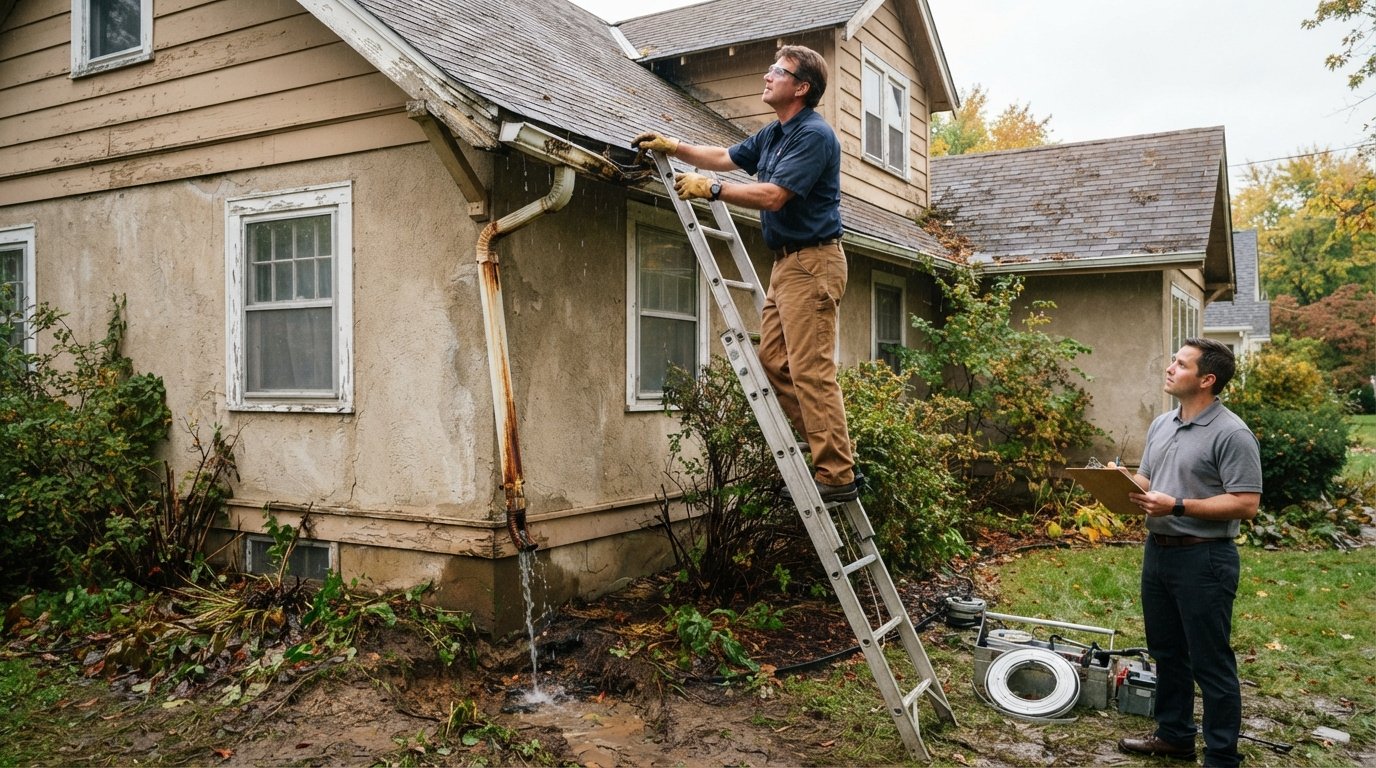
Your gutters and downspouts are the unsung heroes of your home's exterior, quietly channeling thousands of gallons of rainwater away from your roof, siding, and foundation every year. When they fail, the consequences are anything but quiet: basement flooding, fascia rot, soil erosion, and even foundation cracks can follow. Yet most homeowners never think about their gutter system until a waterfall is cascading over the edge of the roof. So how often should you replace gutters and downspouts? The short answer is every 20 to 30 years for quality materials, but the real answer depends on what your gutters are made of, how well they have been maintained, and the climate they endure. This guide breaks down the expected lifespan of common gutter materials, the warning signs that replacement is overdue, and what a professional installation actually includes so you can plan and budget with confidence.
Expected Lifespan by Gutter Material
Not all gutters age at the same rate. The material you choose has the single biggest influence on how long your system will last, and it also shapes the cost of replacement. Understanding these timelines helps you decide whether a repair is a stopgap or whether you are throwing money at a system that is already past its prime.
Here is a practical breakdown of typical service life for the most common gutter materials used on U.S. homes:
- Aluminum: 20 to 30 years. Lightweight, rust-resistant, and the most popular choice nationwide. Thicker gauge aluminum lasts longer than builder-grade stock.
- Galvanized steel: 20 to 25 years. Strong and affordable, but the zinc coating wears away over time, exposing the steel to rust.
- Vinyl (PVC): 10 to 20 years. Inexpensive and easy to install, but prone to cracking in cold weather and fading under intense sun.
- Copper: 50 to 100 years. A premium material that develops a distinctive patina. Excellent longevity, but the upfront cost is several times that of aluminum.
- Zinc: 30 to 50 years. Durable and visually distinctive, often used on historic and high-end homes, with a price tag to match.
These ranges assume proper installation and routine maintenance. A copper system that is never cleaned can clog, overflow, and rot the fascia behind it just as fast as a cheap vinyl setup. In fact, maintenance habits often matter more than material choice when it comes to real-world lifespan. Homes surrounded by mature trees may need cleaning two to four times per year, while a clear suburban lot might only need it twice. If you cannot remember the last time your gutters were cleaned, that is a strong hint that their remaining life is shorter than the calendar suggests.
Climate also plays a role. Homes in the Northeast and Midwest deal with ice dams and freeze-thaw cycles that stress seams and fasteners. Homes in the South face heavy rain volumes and intense UV exposure that degrade vinyl faster. Coastal homes contend with salt air that accelerates corrosion on steel. When estimating how often you should replace gutters and downspouts, adjust the material ranges above for your local conditions: lean toward the lower end in harsh climates and the higher end in mild ones.
Signs Your Gutters and Downspouts Need Replacement
Age alone is not a reason to replace a functioning system. The better approach is to inspect your gutters twice a year and watch for physical evidence of failure. Small issues like a loose hanger or a clogged downspout can be repaired cheaply. But when you see multiple problems at once, especially on an older system, replacement usually costs less over the next decade than a series of patches.
Walk around your home after a heavy rain and look for these warning signs:
- Sagging or pulling away from the house: Gutters should run in a straight line with a slight slope toward the downspouts. Sagging means the hangers are failing or the fascia behind them is rotting.
- Separation at seams and corners: Gaps that leak even after resealing often signal that the metal is warped or the fasteners no longer hold.
- Fascia and soffit rot: Soft, discolored, or peeling wood behind the gutter is a serious red flag. Water is getting where it should not, and the damage can spread into the roof structure.
- Peeling paint and rust streaks: Paint failure on the gutter itself or orange stains on siding indicate corrosion that will only worsen.
- Water pooling near the foundation: If downspouts discharge too close to the house or water backs up during storms, you may see soggy soil, basement dampness, or cracks in the foundation wall.
- Visible cracks, holes, or separated sections: Physical damage from ladders, falling branches, or simple age is often beyond reliable repair.
One or two minor issues on a system under 15 years old usually justify a repair. But if you are seeing three or more of these signs, or if the gutters are already two decades old, replacement is the smarter financial move. Ignoring fascia rot is especially risky: what starts as a $200 gutter repair can become a multi-thousand-dollar structural repair once water reaches the roof deck and wall framing. If the damage has spread to your electrical system or you notice other systemic issues, it may be worth reviewing related guidance, such as this resource on how to tell if your home needs a whole house rewiring, since water intrusion and aging infrastructure often go hand in hand.
Seamless Versus Sectional Gutters: Which Lasts Longer
When replacement time comes, you will choose between sectional and seamless gutters. Sectional gutters are sold in pre-cut lengths and joined with connectors and sealant at every seam. They are affordable and widely available at home centers, which makes them a common choice for do-it-yourself projects. The tradeoff is that seams are the weakest points in any gutter system: they collect debris, leak under stress, and eventually fail.
Seamless gutters are formed on site from a continuous coil of metal, so the only seams are at corners and downspout outlets. Fewer seams mean fewer leak points, a cleaner appearance, and longer service life. Most seamless installers use thicker aluminum than what you find in retail sectional stock, and the custom fit reduces the chance of standing water. The upfront cost is typically 20 to 40 percent higher than sectional, but over a 25-year horizon the reduced repair burden often closes the gap.
A quick comparison helps clarify the tradeoffs:
- Sectional pros: Lower material cost, available for DIY, easy to replace individual sections.
- Sectional cons: Many seams that can leak, shorter lifespan, more maintenance.
- Seamless pros: Custom fit, fewer leaks, longer lifespan, better appearance and curb appeal.
- Seamless cons: Higher upfront cost, requires professional fabrication and installation.
For most homeowners planning to stay in their home for years, seamless aluminum is the best long-term value. If you are selling soon or working on a tight budget, sectional gutters can be acceptable, provided they are installed with adequate slope and high-quality sealant. Either way, professional installation matters more than the material label on the box.
Downspout Sizing and Drainage Away From the Foundation
Gutters only do half the job; downspouts and the drainage system do the rest. Undersized or too few downspouts cause gutters to overflow during heavy rain, which defeats the entire purpose of the system. A common rule of thumb is one downspout for every 600 to 800 square feet of roof area, with larger roofs and steep pitches requiring more. Standard downspouts are 2 by 3 inches, but 3 by 4 inch downspouts move substantially more water and are worth the upgrade on large or complex rooflines.
Just as important is where the water goes. Downspouts that discharge directly at the foundation are a leading cause of basement seepage and foundation cracks. Extensions, splash blocks, or buried drain lines should carry water at least 4 to 6 feet away from the house, and ideally to a graded slope that moves it further downhill. In areas with heavy clay soil or frequent storms, consider connecting downspouts to a French drain or dry well system.
This is also the stage where many homeowners discover related exterior issues. If your inspection reveals damaged siding, failing roof flashing, or foundation concerns, it pays to bring in qualified professionals who can assess the whole envelope of the home rather than patching one system in isolation. A directory such as Homes.Contractors can help you find pre-vetted local pros for roofing, drainage, and exterior repairs, so you can compare quotes from several contractors and choose the right fit for the job.
What Professional Gutter Installation Includes
Replacing gutters is not simply a matter of hanging new metal. A proper installation involves measuring the roofline, calculating the correct gutter size and downspout count, fabricating seamless runs on site, and pitching everything so water flows efficiently to the outlets. Here is what a quality installation typically includes:
- Inspection and removal: The crew removes the old gutters and downspouts, checks the fascia for rot, and replaces damaged wood before new hardware goes up.
- Custom fabrication: For seamless systems, a machine on the truck forms gutters to the exact lengths needed, minimizing seams.
- Proper fastening: Hidden hangers screwed into the fascia every 24 inches (closer in snow country) keep the gutter tight and prevent sagging.
- Downspout and drainage setup: Outlets, elbows, extensions, and splash blocks are installed to move water well away from the foundation.
- Cleanup and testing: The crew flushes the system to confirm flow and slope, then hauls away all old material.
Typical cost ranges vary by region and material. As a rough guide, sectional aluminum runs about $4 to $8 per linear foot installed, seamless aluminum $7 to $12, steel $9 to $15, and copper $25 to $40 or more. A typical single-family home has 150 to 200 linear feet of gutter, so most aluminum replacements land between $1,500 and $3,000, while copper projects can exceed $6,000. Always request multiple written estimates and confirm that the quote includes removal, fascia repair, and downspout extensions, not just the gutter runs.
This is also a good moment to think about accessories that extend lifespan: gutter guards reduce debris buildup (though they do not eliminate cleaning), and larger downspouts improve performance in heavy-rain regions. A reputable installer will walk your roofline, explain the pitch and sizing decisions, and provide a written warranty on labor and materials.
Repair or Replace? A Simple Decision Framework
When your gutters start showing problems, the repair-versus-replace question can feel overwhelming. A simple framework cuts through the noise. First, consider age: if the system is within five years of its expected lifespan, replacement is usually the better investment. Second, count the problems: isolated damage in one section is a repair, while widespread sagging, rust, and leaks point to replacement. Third, weigh the cost: if a repair costs more than 30 percent of a full replacement, put the money toward new gutters.
Maintenance history matters too. A well-maintained 25-year-old copper system may still have decades of life, while a neglected 12-year-old vinyl system may already be failing. Finally, think about timing: if you are planning a roof replacement or exterior painting project in the next year or two, coordinating gutter replacement with that work saves labor and scaffolding costs. Aligning major exterior projects is one of the smartest budgeting moves a homeowner can make.
For homeowners who want help finding qualified local professionals, PlanRemodel connects you with pre-vetted contractors across roofing, gutters, and exterior services. You can request multiple free estimates, compare quotes side by side, and choose the pro who fits your project and budget, all without pressure or obligation.
How Often Should You Replace Gutters and Downspouts? A Practical Summary
For most homes, the answer to how often should you replace gutters and downspouts is every 20 to 30 years for aluminum or steel, 10 to 20 years for vinyl, and 50 or more years for copper, assuming regular cleaning and prompt minor repairs. Homes in harsh climates or under heavy tree cover should plan on the shorter end of those ranges. Rather than waiting for a calendar date, inspect your system every spring and fall, watch for the warning signs covered above, and replace when repairs stop making financial sense.
Gutters are a small line item in the overall cost of homeownership, but their condition protects some of your largest investments: the roof, the siding, and the foundation. Staying ahead of replacement keeps small problems from becoming structural ones. When the time comes, gather several professional estimates, ask about seamless fabrication and downspout drainage, and choose materials suited to your climate. Your home, and your future repair budget, will thank you.
Learn more about Gutter Installation or Replacement for guides, costs, and what to expect.
Compare Gutter Installation or Replacement Pros Near You
Enter your ZIP code to compare top-rated local professionals and request free quotes.