
How to Budget for a Home Repair You Did Not Plan
Facing a surprise repair? Learn how to budget for a home repair you did not plan and protect your savings. Call (833)-700-4293 for contractor referrals.

Learn more about Home Inspection for guides, costs, and what to expect.
Compare Home Inspection Pros Near You

Enter your ZIP code to compare top-rated local professionals and request free quotes.
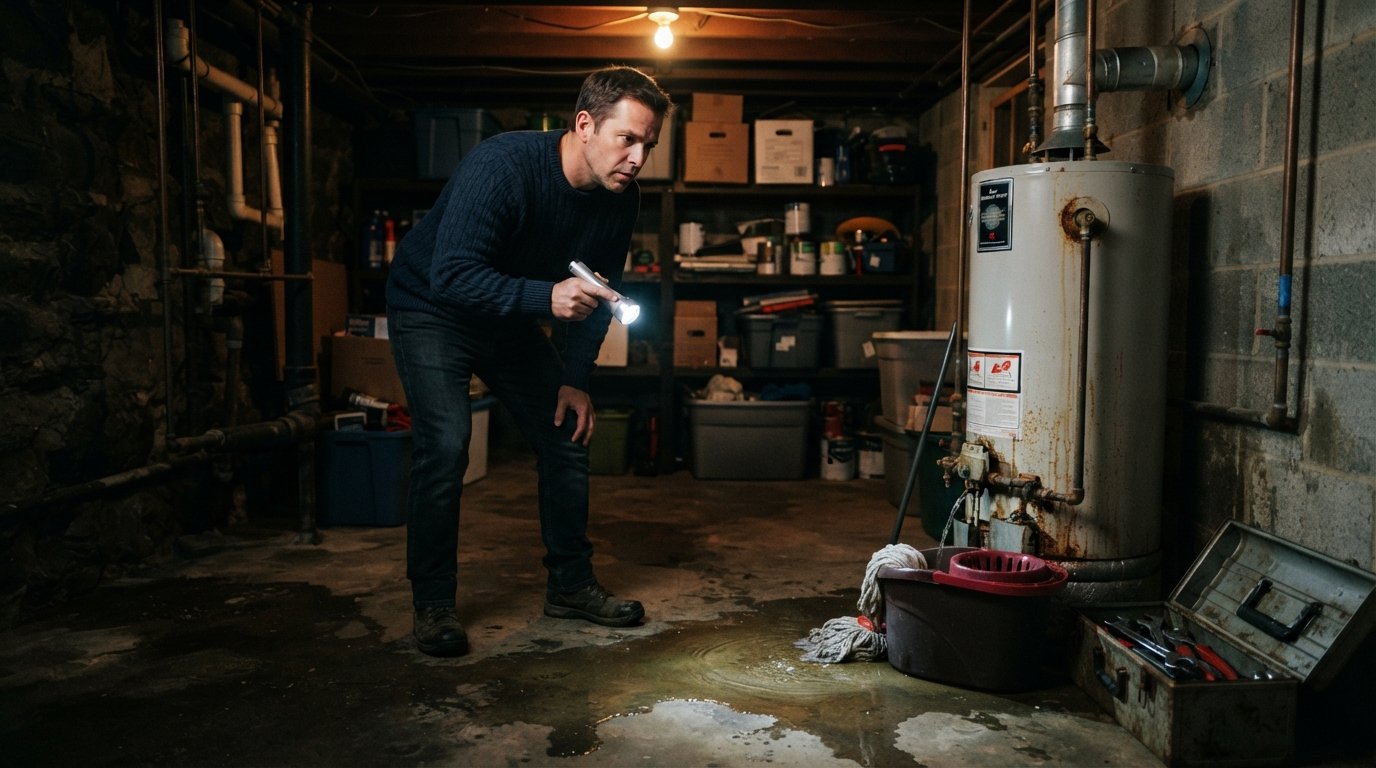
Your water heater dies on a Sunday morning. A storm pushes water through your roof and into the living room ceiling. The furnace quits during the first cold snap of the year. These are the moments that test every homeowner's financial composure, because unexpected repairs rarely arrive at a convenient time, and they almost never respect the budget you carefully built around predictable expenses. The good news is that you do not need to panic or reach for a high-interest credit card the moment something breaks. What you need is a clear, calm framework for triaging the problem, funding the fix without wrecking your savings, and making decisions that protect your home and your wallet at the same time.
Start With Emergency Repair Triage
Before you think about money, think about risk. Not every unexpected repair is a true emergency, and treating every broken fixture like a five-alarm fire is the fastest way to overspend. Triage means asking a simple question: what happens if I wait 24 to 48 hours? A leaking pipe that is actively spraying water behind a wall is a genuine emergency because the damage compounds by the hour. A cracked exterior light fixture or a slow-draining sink can usually wait a few days while you gather quotes and compare options. Your goal in the first hour is to separate must-fix-now problems from can-wait-until-Tuesday problems.
Use this quick triage checklist to sort the situation:
- Immediate danger: Active water leaks, gas smells, exposed wiring, sewage backups, or anything that threatens safety. Shut off the relevant utility and call a professional now.
- Urgent but contained: A failed appliance, a broken garage door, or a non-functioning HVAC system in extreme weather. Schedule service within 24 to 72 hours.
- Important but deferrable: Cosmetic damage, a single non-critical fixture, or a slow drip that you can catch with a bucket. Get quotes this week and schedule for the near future.
This sorting exercise does two things. First, it prevents you from paying emergency rates for a problem that could have waited a few days. Second, it gives you a realistic sense of urgency, which directly shapes how much financial flexibility you actually need. A true emergency justifies tapping savings or using a credit line; a deferrable repair gives you time to save, compare quotes, and maybe even stage the work in phases.
Build a Repair Budget Without Draining Your Savings
Once you know what you are dealing with, the next step is figuring out how to pay for it without wiping out the money you have set aside for other goals. The instinct for many homeowners is to drain the emergency fund completely, but that leaves you exposed if a second problem appears next month. A better approach is to treat the repair like a mini financial project: define the total cost, decide how much you can safely pull from savings, and fill the gap with a deliberate strategy rather than a reactive one. If you are weighing whether to handle part of the work yourself, our guide on DIY vs professional home repair can help you decide which tasks are safe to tackle and which ones justify the cost of a pro.
Here is a practical way to structure the funding without gutting your reserves:
- Get a realistic cost range first. Do not budget in the dark. Collect two or three estimates so you know whether you are facing a $400 fix or a $4,000 fix. The range matters more than a single number at this stage.
- Set a savings floor. Decide the minimum amount you want to keep in your emergency fund after the repair, ideally at least one month of essential expenses. That floor is your guardrail.
- Cover the gap deliberately. If the repair exceeds what you can safely withdraw, choose a specific funding source: a short-term payment plan, a home equity line, a 0 percent introductory credit card used with a payoff plan, or a staged repair that spreads cost over time.
- Rebuild immediately. Set up an automatic transfer to replenish your savings starting the month after the repair. Even $50 a month keeps the habit alive and reduces the shock of the next surprise.
This approach keeps you from making the two most common mistakes: spending every dollar you have and then borrowing more than you need. It also forces you to acknowledge the real cost early, which makes it easier to negotiate, compare quotes, and avoid being pressured into the first offer you receive.
Choose Between Financing, Insurance, and Staged Repairs
When the cost exceeds your available cash, you have three broad levers: financing, insurance, and staging. Each has trade-offs, and the right choice depends on the nature of the repair, the size of the bill, and your tolerance for debt. Financing makes sense when the repair is essential, the cost is manageable relative to your income, and you can secure a reasonable rate. Insurance is worth pursuing when the damage is sudden and caused by a covered peril, such as a storm, fire, or burst pipe, but it rarely covers maintenance-related failures like a worn-out water heater. Staged repairs work best when the problem is not immediately dangerous and can be addressed in phases without causing further damage.
Before you commit to any of these paths, it helps to understand what each one actually requires. Financing often means a credit check and a clear payoff timeline. Insurance involves documentation, deductibles, and the possibility of a denied claim. Staging requires discipline, because a deferred repair can become a bigger problem if you let it slide indefinitely. A useful rule of thumb is to pursue insurance first if there is any chance the damage is covered, then compare financing options, and only stage the work if the repair is genuinely deferrable and you have a written plan for completing it.
If you decide to hire a professional, it pays to work with contractors who are vetted and experienced in urgent repairs. Platforms like Homes.Contractors connect homeowners with qualified local pros across roofing, HVAC, plumbing, and more, which can shorten the time between diagnosis and repair. Getting multiple quotes quickly is especially important during an emergency, because urgency often leads to inflated prices. Even in a crisis, asking for two or three estimates is reasonable and can save you hundreds or thousands of dollars.
Get Multiple Quotes Fast During an Urgent Repair
Speed and competition are not mutually exclusive. You can move quickly and still protect yourself from overpaying by being organized before you make the calls. Start by writing down the problem in plain language, the symptoms you have observed, and any relevant details such as the age of the appliance or the location of the leak. When you call contractors, ask whether they charge a diagnostic fee, what their availability looks like, and whether they can provide a written estimate before work begins. Those three questions alone will help you filter out the pros who are set up for urgent work from those who are not.
Here is a fast quote-gathering process that works even under pressure:
- Call three contractors, not one. Explain the situation briefly and ask for a ballpark range over the phone, then request a written estimate from the ones who seem most responsive.
- Ask what the estimate includes. Parts, labor, disposal, permits, and follow-up visits should all be spelled out so you can compare apples to apples.
- Check for urgency surcharges. Some companies charge more for nights, weekends, or same-day service. Ask upfront so the final bill does not surprise you.
- Confirm licensing and insurance. A quick check with your state licensing board or a look at the contractor's credentials protects you if something goes wrong.
Once you have two or three written estimates, compare them side by side. The lowest price is not always the best value, especially for urgent work where a cheap fix may fail again in a few months. Look for clear scope, reasonable timelines, and a contractor who explains the problem in a way you understand. If one estimate is dramatically lower than the others, ask why. Sometimes the answer is a simpler repair; other times it is a sign that something important is being left out.
Preventive Spending That Reduces Future Surprise Repairs
The best way to budget for an unplanned repair is to make fewer of them unplanned. Preventive maintenance is not glamorous, but it is one of the highest-return habits a homeowner can build. A small annual investment in inspections and routine service can catch problems while they are still cheap to fix. Think of it as a subscription to peace of mind: you spend a little now to avoid a large, stressful bill later. The key is to focus on the systems and structures that fail most often and cost the most to replace.
These preventive tasks deliver the most value for most homeowners:
- Annual HVAC service: A tune-up keeps the system efficient and catches worn parts before they fail in extreme weather.
- Roof and gutter inspections: Twice a year, look for missing shingles, clogged gutters, and signs of water intrusion. Small roof issues become expensive ceiling repairs fast.
- Water heater flush and inspection: Sediment buildup shortens the life of the tank. A yearly flush is inexpensive compared with a replacement.
- Plumbing checks: Look under sinks, around the water heater, and behind the washing machine for slow leaks or corrosion. Fixing a $15 supply line now prevents a $1,500 water damage claim later.
- Electrical safety check: Especially in older homes, have a licensed electrician review the panel and outlets every few years.
Beyond maintenance, consider building a dedicated home repair fund separate from your general emergency savings. A common target is 1 to 3 percent of your home's value per year, set aside specifically for maintenance and repairs. That fund turns a crisis into an inconvenience, because the money is already there when the water heater dies. Pair that fund with a simple maintenance calendar, and you will find that the number of true emergencies drops noticeably over time.
Unexpected repairs are a normal part of owning a home, but they do not have to derail your finances. Triage the problem, protect your savings floor, choose your funding source deliberately, gather quotes quickly, and invest a little in prevention every year. That combination gives you the confidence to handle whatever breaks next without losing sleep or wrecking your budget.
Learn more about Home Inspection for guides, costs, and what to expect.
Compare Home Inspection Pros Near You
Enter your ZIP code to compare top-rated local professionals and request free quotes.